On April 24, 2026, Sotheby's Hong Kong offered the first 82 watches from the largest vintage Cartier collection ever assembled. Every lot sold. The group totaled HK$108 million, about US$13.8 million, more than seven times its pre-sale estimate. The full Important Watches sale closed at HK$414.2 million, a record for any Sotheby's watch auction. The year of Cartier had begun with a white glove.
The collection, titled The Shapes of Cartier, was assembled over roughly 25 years by a single private collector: more than 300 vintage Cartier watches spanning the maison's three historic ateliers of Paris, London and New York. Sotheby's planned to disperse it across its Important Watches sales in Hong Kong, Geneva and New York through 2026, with an aggregate pre-sale estimate above US$15 million. The depth of the London holdings is what made specialists pay attention, because Cartier London's late-1960s and early-1970s output remains the scarcest and most experimental of the three.
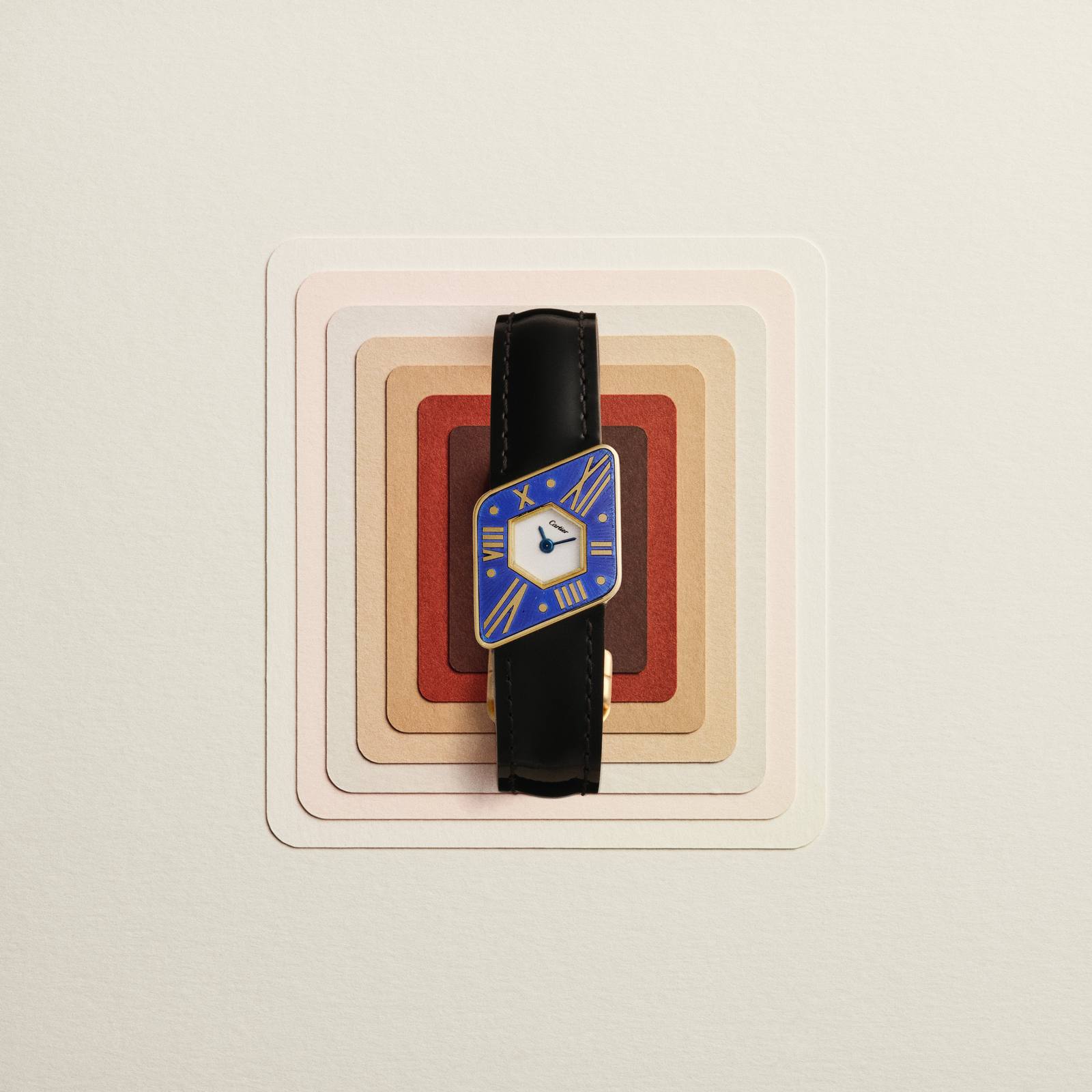
The pre-sale highlights showed the collection's range. Alongside the Crash, Sotheby's flagged a gold ten-sided Decagonal from around 1970 and a Cartier Asymetrique with blue enamel from around 1973, one of only five made by Cartier London in that configuration. Each carried an upper estimate of US$80,000, a figure the Hong Kong room would treat as a starting point rather than a prediction.
The Crash that led the sale
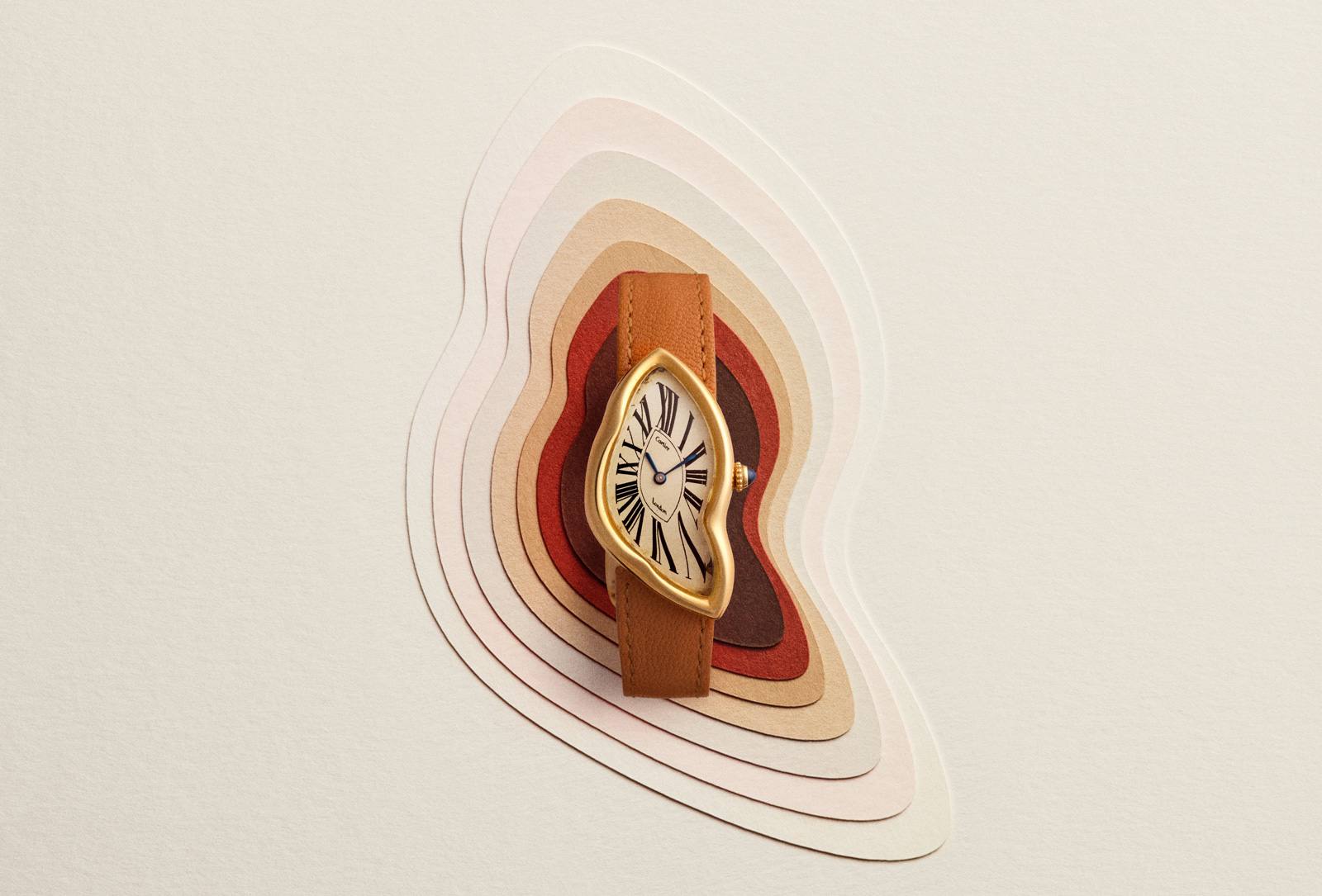
The top lot was a yellow-gold Cartier London Crash from circa 1987, one of very few made that year. After a nine-minute bidding war between the room and the telephones, it sold for HK$15,616,000, about US$1.99 million, to a Japanese buyer. The result set a new auction record for a Cartier wristwatch at the time. It did not hold for long: the record was surpassed at Christie's Geneva the following month, a measure of how fast this market was moving in the spring of 2026.
London's experimental decade
The collection's strength is the Bond Street era, when Cartier London operated with unusual creative independence and produced the Crash, the Asymetrique and a run of geometric pieces in tiny numbers. "The appeal of vintage Cartier lies in its ability to capture a moment in design history while remaining entirely timeless," said Sam Hines, Sotheby's global chairman of watches, ahead of the sale. The Hong Kong results were the market agreeing with him, lot by lot.
The records beyond the Crash
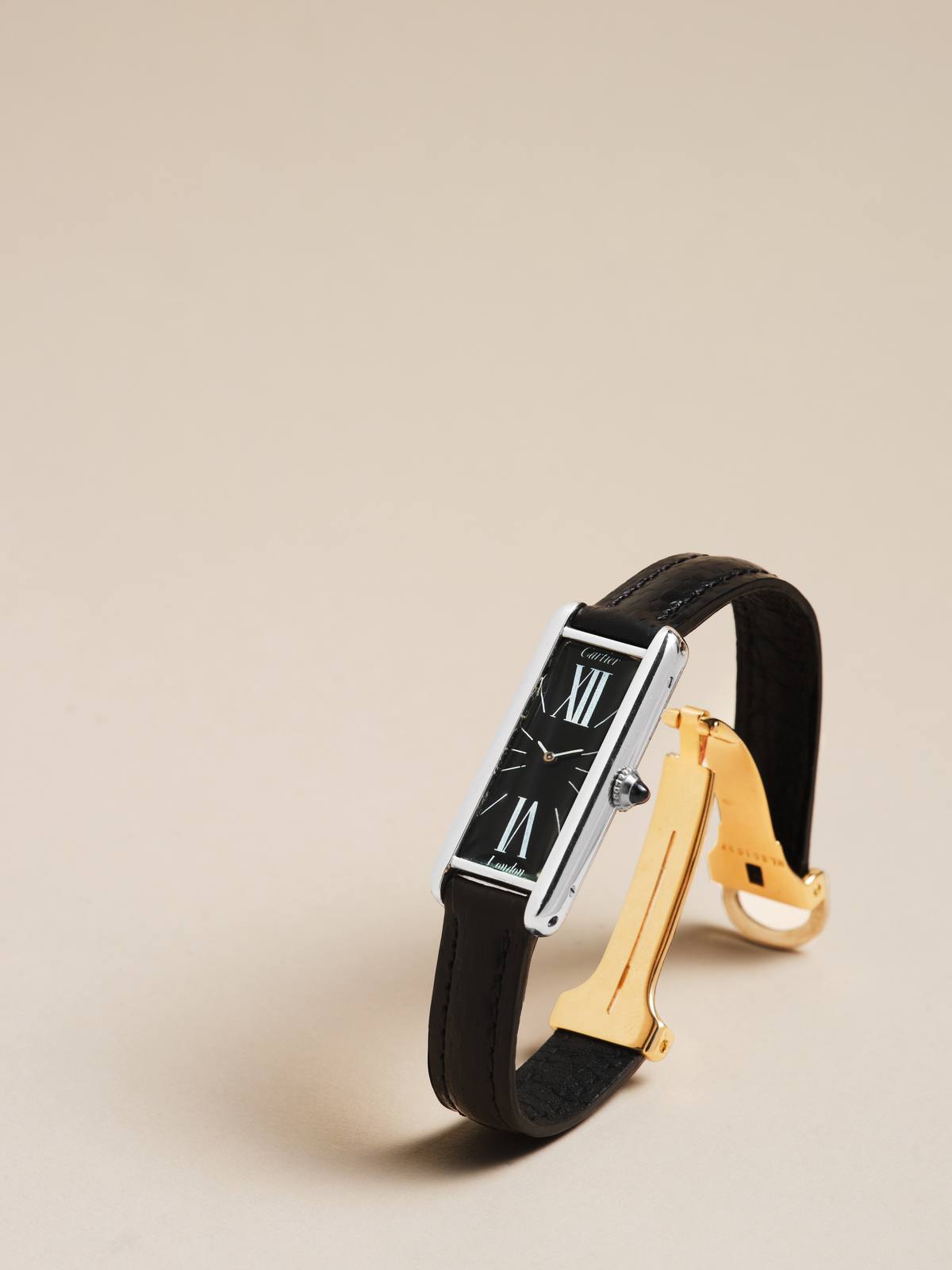
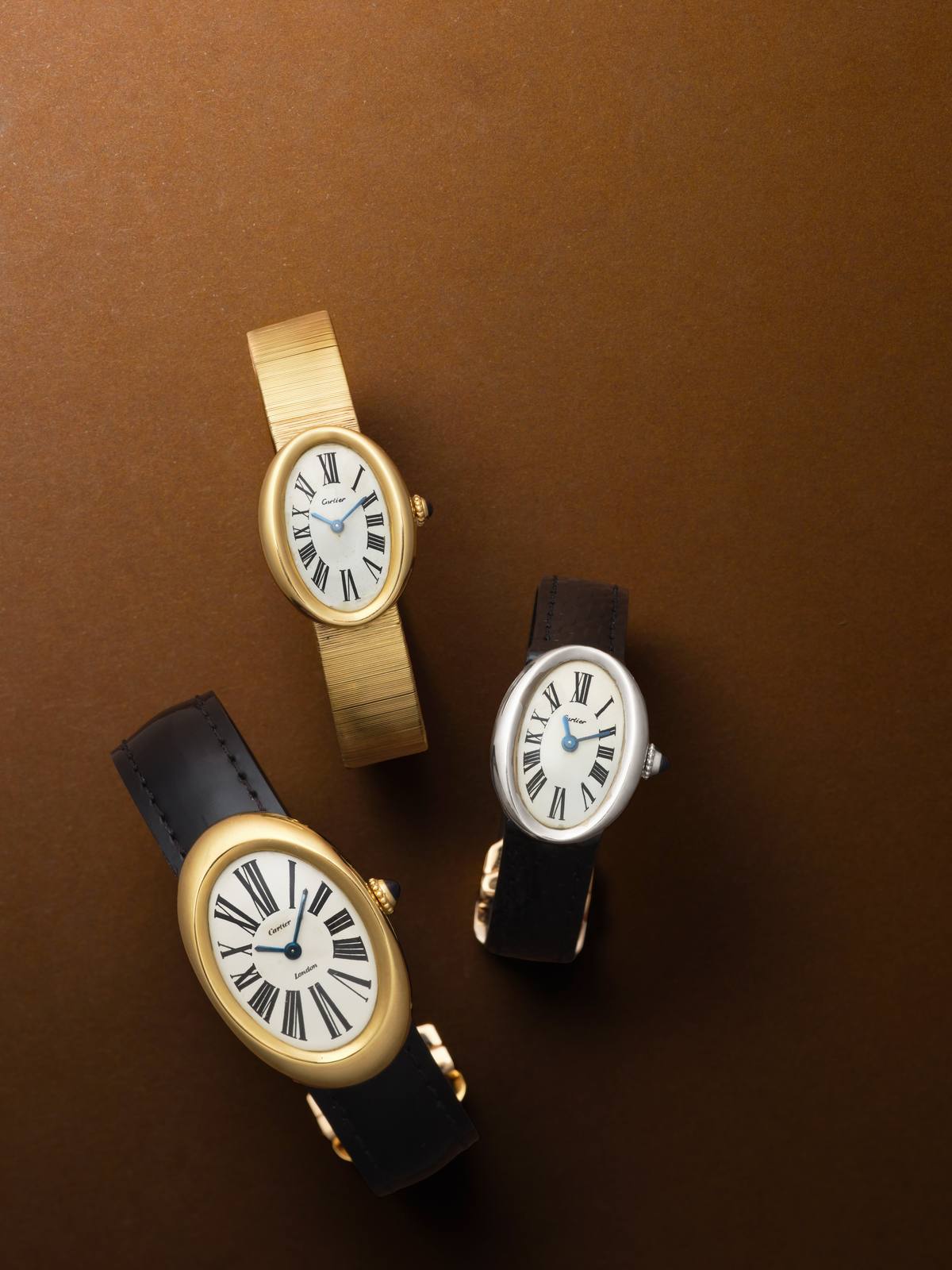
The Crash was the headline, not the whole story. A Cartier London Tank J. J. C. Allongee set a record at HK$5,760,000. A London Tank Normale reached HK$4,600,000. A London Baignoire brought HK$4,864,000, and a yellow-gold London Asymetrique with blue enamel, one of a tiny production, sold for HK$6,656,000. Across 82 lots, the sale read as a re-pricing of the entire form-watch canon, with London pieces leading every category they touched.
A yearlong sale, still in progress
Hong Kong was only the first chapter. Sotheby's scheduled the Geneva leg for May 10 and the New York leg for June 15, with the balance of the 300-plus watches to follow through the year. The April results set the terms: complete sell-through, multiples of estimate, and records for the shapes that define Cartier's identity.
Why shapes are winning
The sale landed inside a broader shift that watch press has been tracking all year: collectors moving away from the conventional sports-watch hierarchy toward the stranger geometry of the London era. The Shapes of Cartier gave that shift its purest expression, 82 watches with almost no round dials among them, and the room responded with the strongest possible signal. A collection built quietly over 25 years turned out to be perfectly timed for the moment taste caught up with it. Whatever the later legs bring, the opening proved that a focused, decades-deep collection of form watches can outperform the broader market on its own terms.