In 1956, Junghans commissioned Max Bill, a former Bauhaus student then working at the Ulm School of Design, to design a clock. Bill had studied at the Bauhaus in Dessau in 1927 and 1928 under teachers including Wassily Kandinsky and Paul Klee. His kitchen clock for Junghans, the teardrop-shaped timepiece now in New York's Museum of Modern Art, was pure Bauhaus thinking: form follows function, nothing decorative, everything legible.
The wristwatches followed. The first Max Bill watches, at just 34mm with white dials, stick hands and thin oversized indices, introduced what became the line's signature: the luminous twin dots at twelve o'clock. Bill's stated aim was to design watches 'as far removed from any fashion as possible'. Seventy years later the design is still in production, essentially unchanged, which suggests he succeeded.
Bill's work established one pole of design-led watchmaking: the reduction of the watch to its essential function. The other pole arrived in the 1970s with Gerald Genta, who drew the integrated bracelet sports watch, the Royal Oak in 1972 and the Nautilus in 1976, and in doing so invented the most imitated silhouette in modern horology. Where Bill subtracted, Genta sculpted, but both were thinking architecturally: about proportion, about how an object meets the wrist, about structure as decoration.
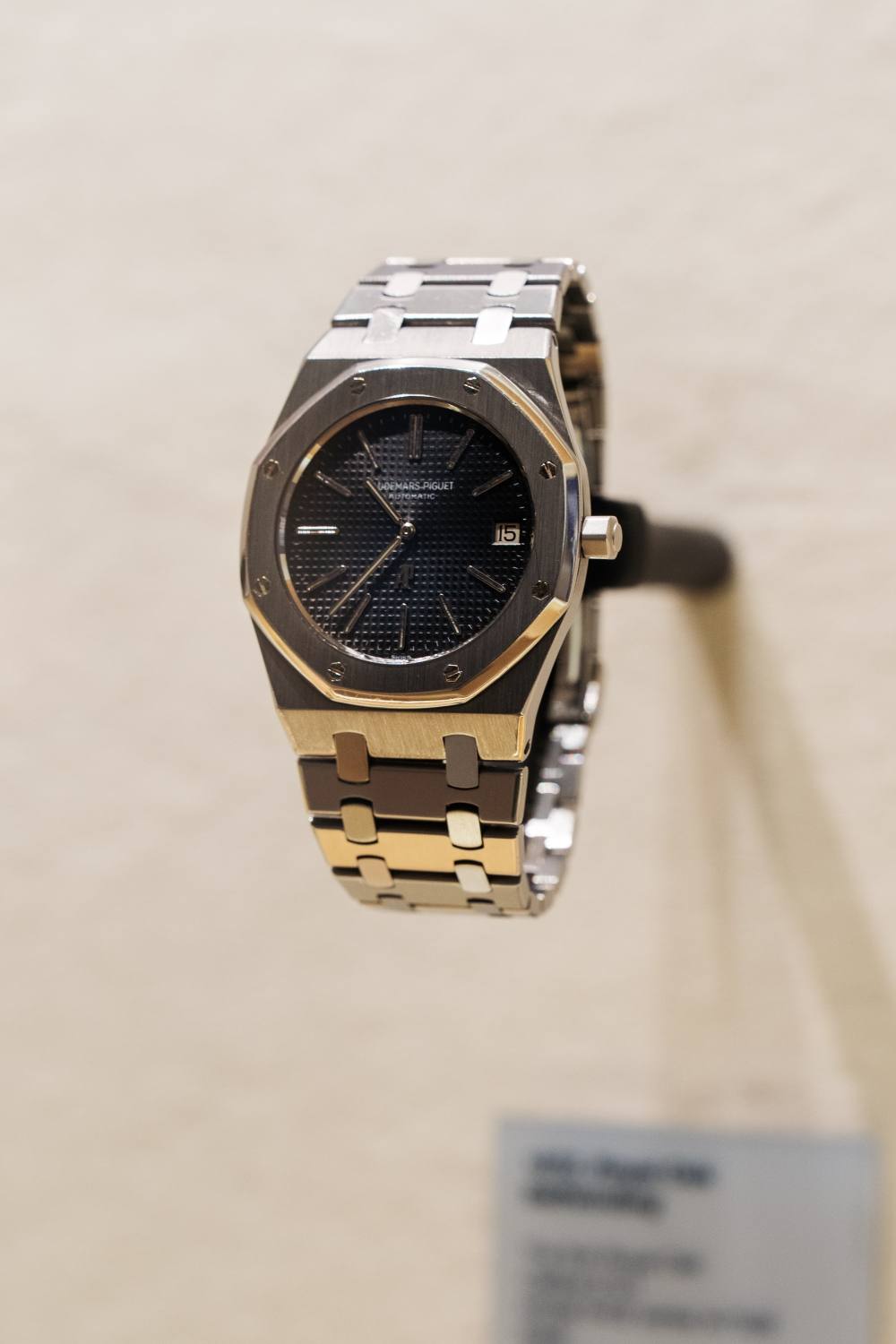
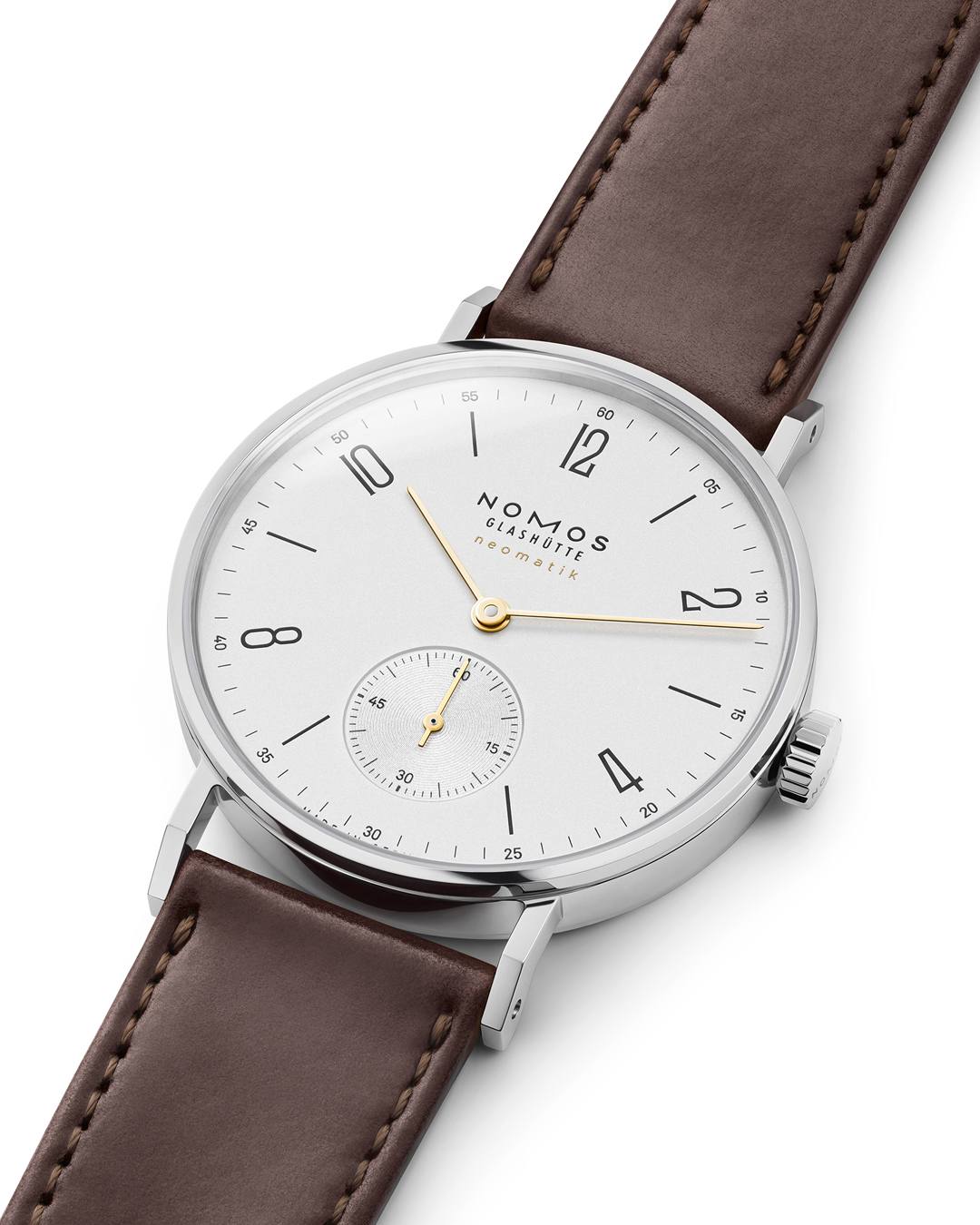
The dialogue continues. The integrated bracelet, Genta's great idea, is everywhere in 2026, from Tudor's revived Northflag to the Bulgari Octo Finissimo 37 in satin-polished titanium, shortlisted in the Time Only category at this year's GPHG. NOMOS Glashutte, whose Tangente line descends directly from the Bauhaus-inflected design language Bill pioneered, showed an updated Tangente Neomatik at Watches and Wonders 2026 with a new in-house date complication.
The German design tradition runs deeper than Bill. The Bauhaus never produced a watch itself, but its principles, geometric clarity, honest materials, the refusal of ornament, shaped a century of German industrial design, from Braun's Dieter Rams to the Ulm School where Bill taught. NOMOS Glashutte, working in Glashutte in the former East Germany, picked up that thread deliberately: clean dials, in-house movements, nothing superfluous. That a Saxon manufacture's design language can be traced back to a Dessau school closed in 1933 is a measure of how durable the ideas are.
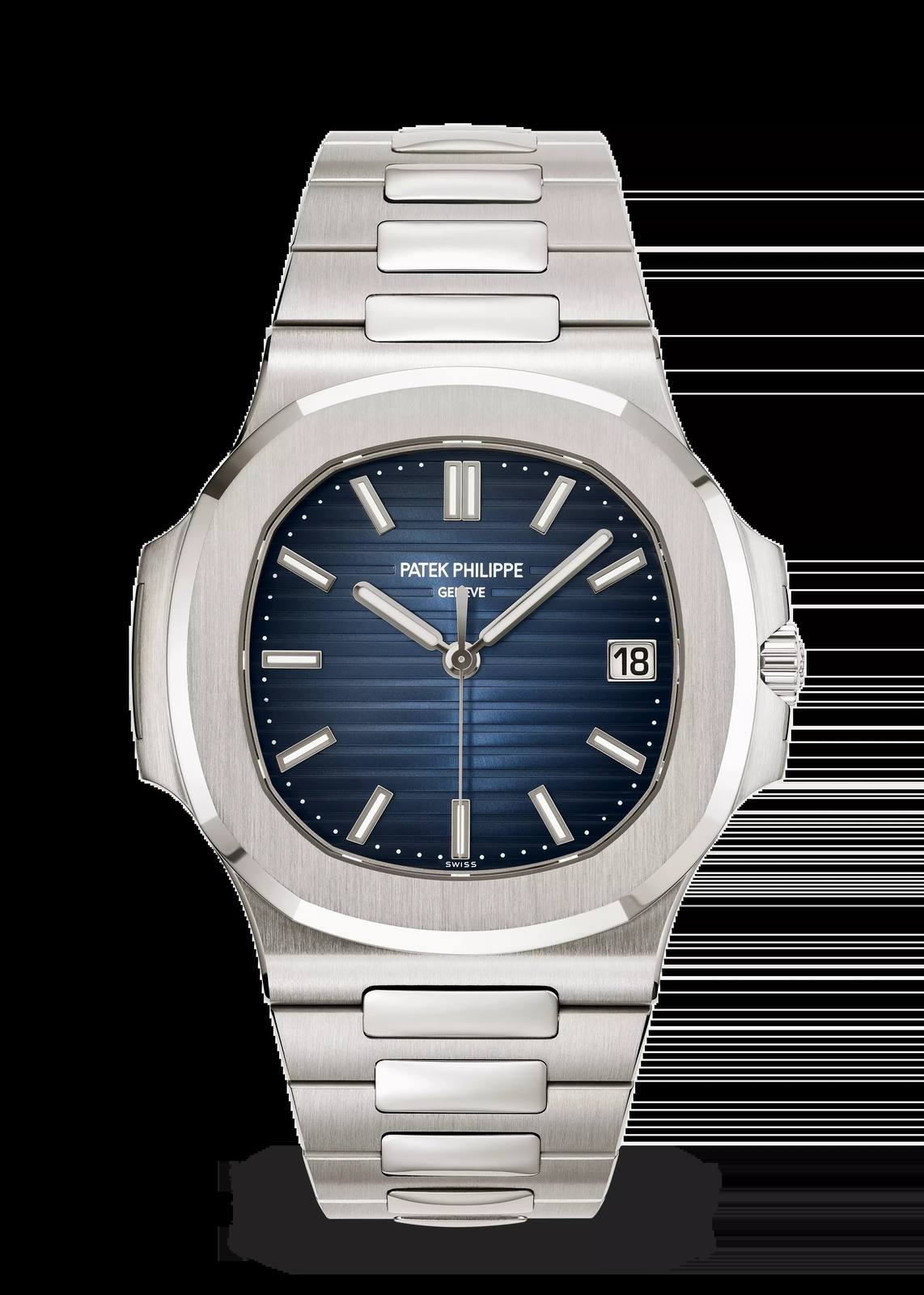
Genta's legacy took a different route. The integrated bracelet sports watch he drew in the 1970s was a commercial answer to a specific moment, the quartz crisis pushing mechanical watchmaking upmarket, but its afterlife has been extraordinary. Every integrated sports watch made since, from the 2026 Northflag to the Octo Finissimo to the latest independent interpretations, is in dialogue with those drawings. Genta understood something Bill understood from the opposite direction: that a watch is worn, not just viewed, and that how it sits on the wrist is a design problem as serious as how it looks in a photograph.
What unites these threads is a conviction the watch industry keeps relearning: the watches that last are rarely the ones designed by committee to chase a trend. They are the ones drawn by someone with a point of view about how objects should work. Bill wanted the time readable at a glance. Genta wanted the bracelet and the case to be one continuous form. Neither was designing a status symbol. Both ended up designing the future.