Inaugurated in November 2001, the Patek Philippe Museum in Geneva houses one of the world's most important and prestigious horological collections. Some 2,500 watches, automata, precious objects and portrait miniatures on enamel invite the visitor on a voyage through five centuries of Genevan, Swiss and European horological art, as well as a panoramic view of Patek Philippe's own production since 1839. The name on the door is a brand's, but the subject is portable time itself.
The museum was born of one man's passion. Philippe Stern, president of the Geneva manufacture at the time and now its honorary president, began assembling the collection well before thinking in terms of a museum, concentrating at first on Patek Philippe watches, particularly the complicated models. In 1980 he enlarged the scope to take in all timepieces that had left their mark on watchmaking history since the sixteenth century, together with the greatest treasures of the enameller's art, that sublime Genevan specialty. His aim was not solely to satisfy his personal tastes but to share his love of the watchmaking art with the public, and to hand this cultural heritage down to future generations.
The setting matches the ambition. The museum occupies a magnificent industrial building dating from 1919 to 1920, restored with great restraint, at number 7 rue des Vieux-Grenadiers in Geneva's Plainpalais district. The building had been occupied by watchmakers and related artisans throughout its history; Patek Philippe acquired it in 1975 to house Ateliers Réunis, a production unit making cases, bracelets and chains. When those activities moved to Plan-les-Ouates in 1996, Stern decided the building would present his collection. Between 1999 and 2001 it was fully restored, with an additional floor added in strict respect for the original architecture, while Stern's wife Gerdi oversaw interiors meant to give the rooms the warmth of a private residence.
Four floors, five centuries
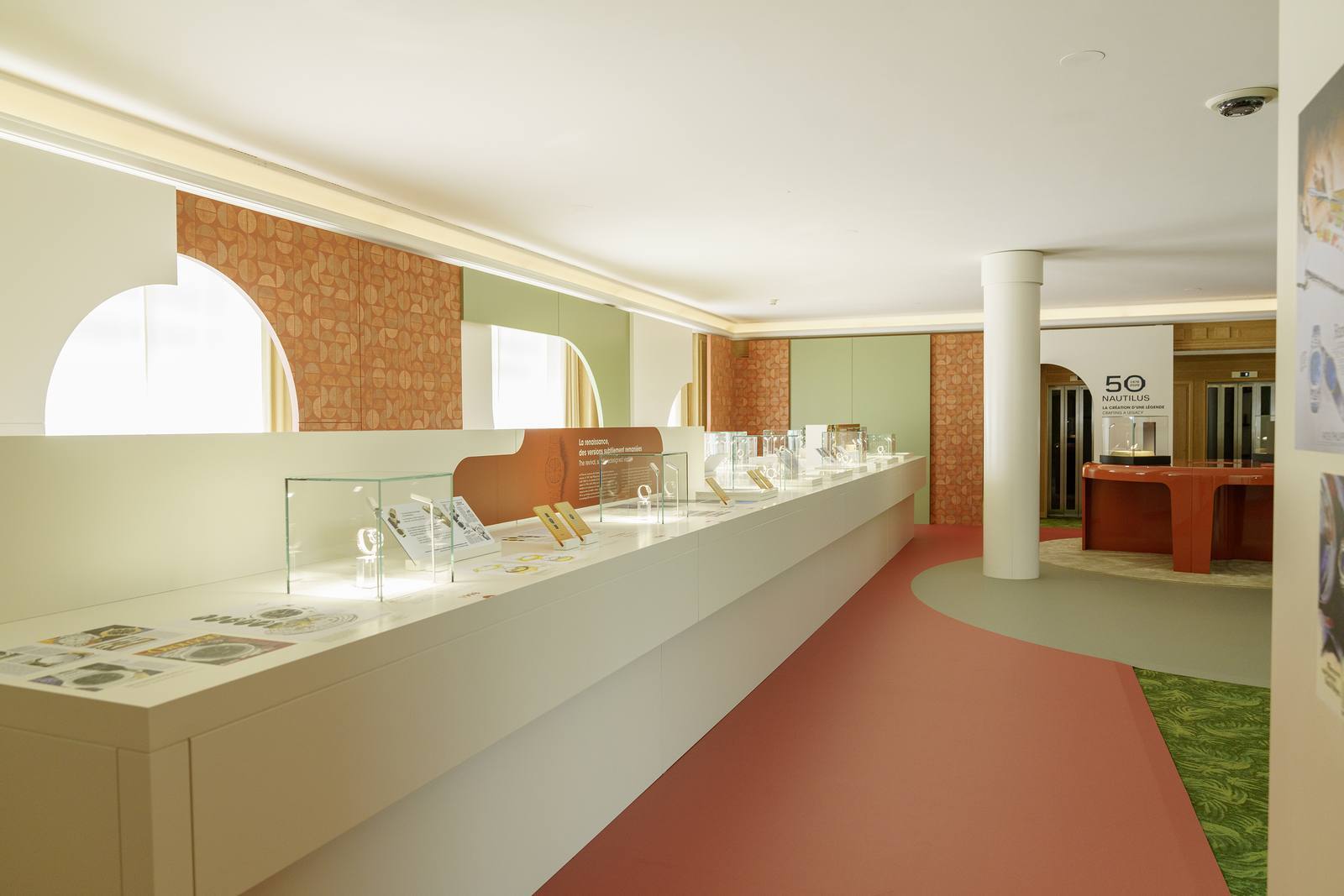
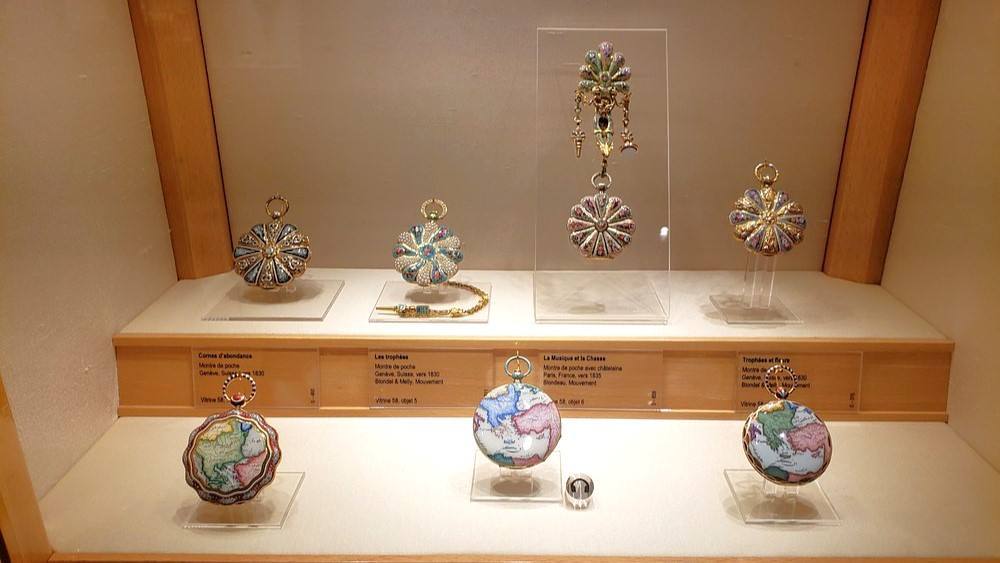
The visit is organised on four levels. The second floor holds the antique collection, from the sixteenth to the mid-nineteenth century, some 1,200 exhibits in twenty themed areas, beginning with the first portable watches of the early sixteenth century, including a German drum watch from around 1530 worn as a pendant. The first floor surveys Patek Philippe's own most beautiful creations, from 1839 to 2000. The third floor carries the manufacture's historical archives, a library of more than 8,000 works on horology and related subjects, and a collection of 141 portrait miniatures on enamel plus sixteen enamel snuffboxes. The ground floor displays antique workbenches and tools, and a restoration workshop where visitors can watch restoration watchmakers at work.
That last detail matters. The museum is a working instrument: restoration, research and education sit alongside display, and the collection is organised so that experts, devotees and the general public can all make closer acquaintance with the heritage horology represents. In twenty years it has drawn more than 600,000 admissions, with public guided tours every Saturday in French and English and bookable tours in seven languages.
Brand museums usually flatter their sponsor. This one does something rarer: it uses one family's collection to tell the whole story, from a pendant drum watch of 1530 to the complications of the present day, and treats five centuries of portable time as a single continuous subject.