When the La Chaux-de-Fonds Watchmaking School opened in 1865, the teachers were tasked with building a collection, primarily for educational purposes. The rich array of pieces collected led a small group of devotees, under the leadership of watchmaking entrepreneur Maurice Picard, to propose the opening of a museum. The Musée international d'horlogerie began, in other words, as a teaching instrument, and more than a century and a half later, that is still what it is.
The institutional history is precise. In 1901 the municipal council established an ad hoc commission and allocated temporary premises at Rue du Collège 9. On 24 March 1902, the authorities of La Chaux-de-Fonds signed the charter of foundation for the watchmaking museum, and a room in the watchmaking school was dedicated to it. Donations poured in; the exhibition was reorganised in 1908; the wars and the Depression slowed but did not stop the accumulation, and by the 1960s space was once again in short supply.
In 1963, professor Georges-Henri Rivière, then director of the International Council of Museums, was asked to study the collections. His report was blunt: La Chaux-de-Fonds is the world's watchmaking capital, and its watchmaking museum must be the finest in the world. In 1968 the museum adopted the name Musée international d'horlogerie, with the subtitle L'homme et le temps, Man and time. An architectural competition followed; from more than thirty projects, Pierre Zoelly and Georges-Jacques Haefeli received the commission.
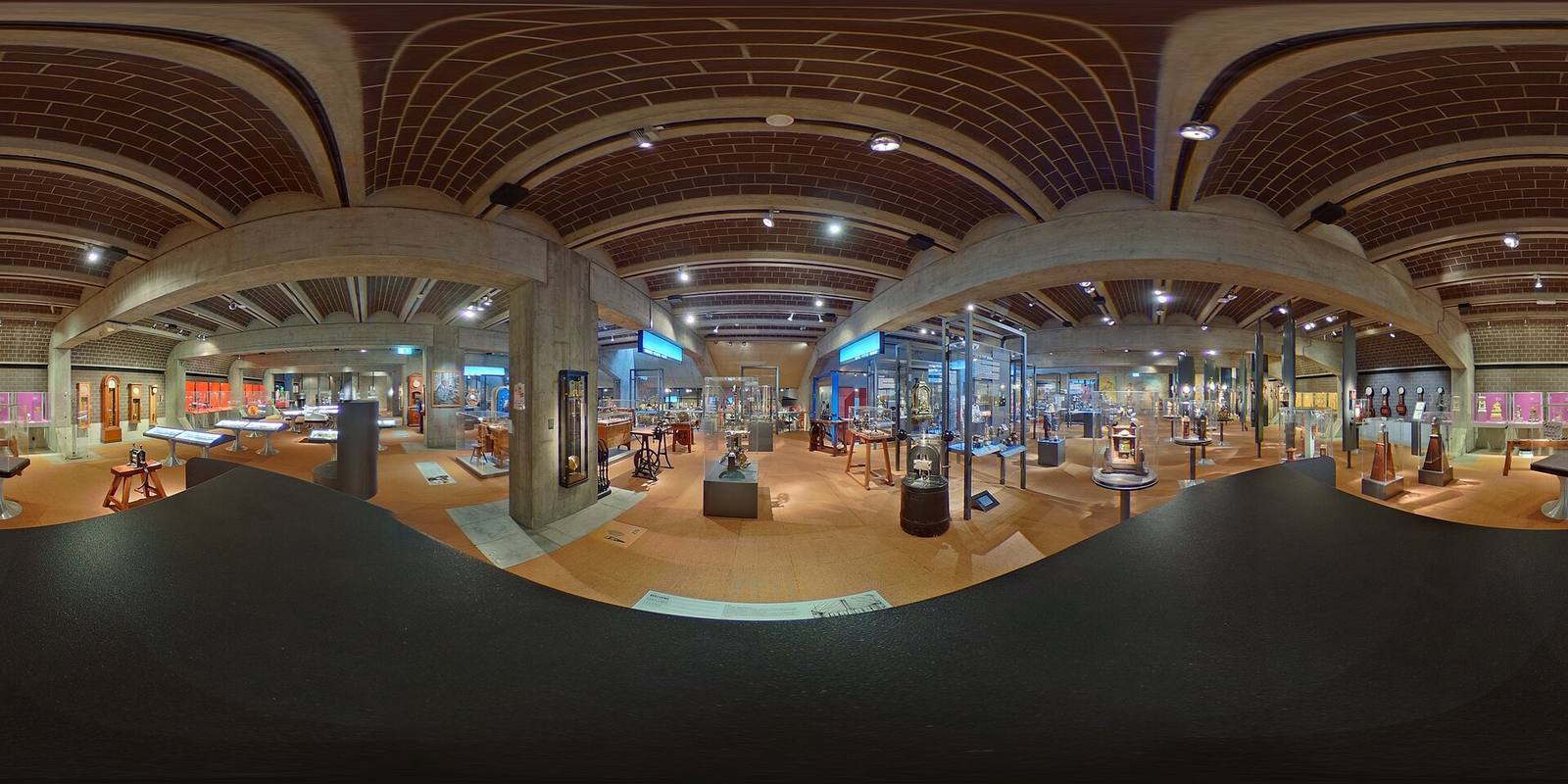
Work began in 1972, culminating two years later in a building of avant-garde architecture, much of it underground, a worthy setting for the world's only collection of its kind. The design was more than a container. The MIH is unique in combining three centres of competence: a museum, a restoration centre for old timepieces, and an interdisciplinary time study centre whose library and archives, periodicals, original works, sales catalogues and visual documents form a centre of global importance for research.
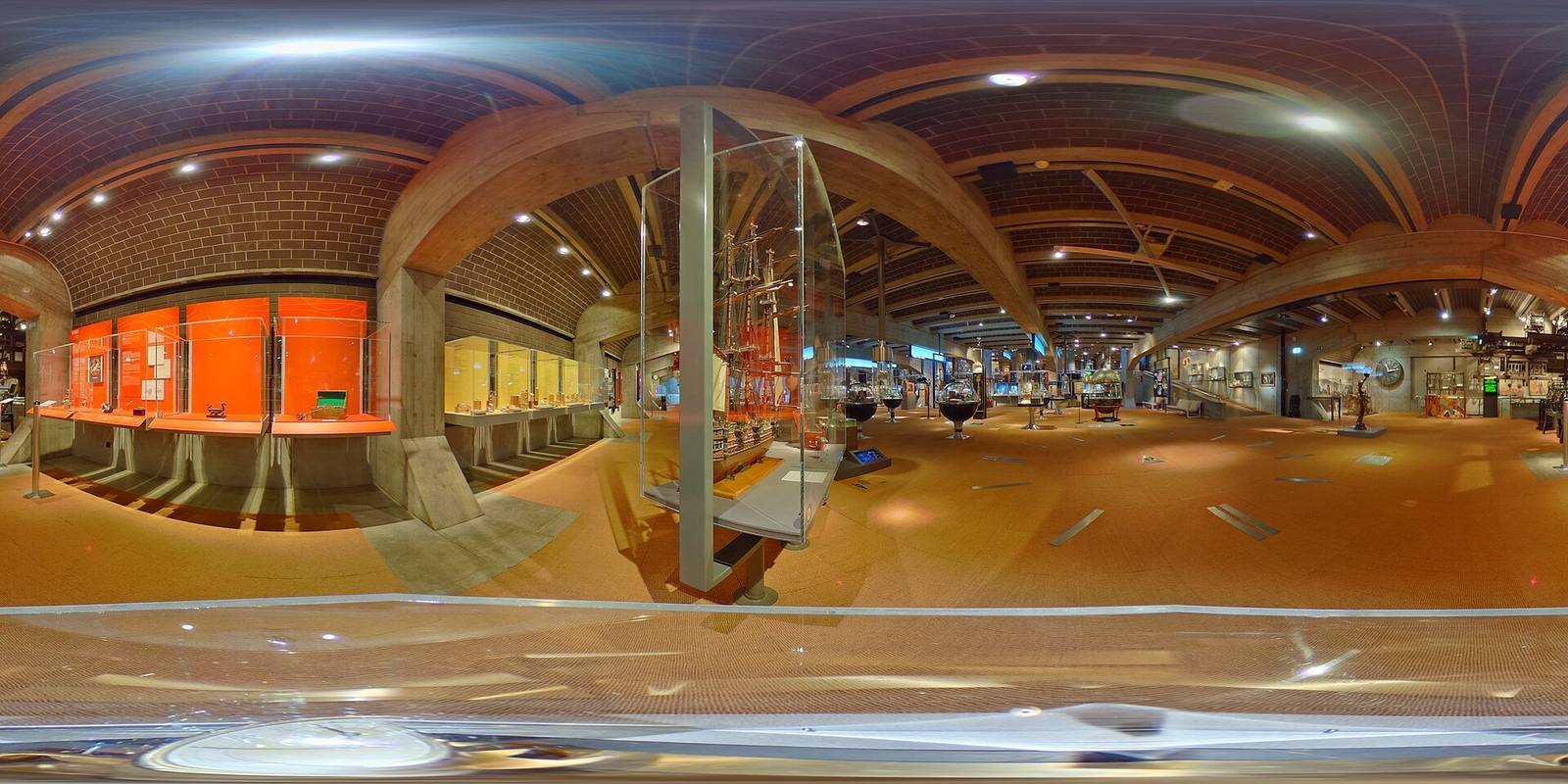
The enrichment has never stopped. The collections now number more than 10,000 items, covering watches, clocks, chronometers, automata and documentation. In 1993 the museum awarded the Prix Gaïa for the first time, honouring those who have worked in watchmaking and time measurement from design, industrial or historical perspectives. In 2020, the inclusion of watchmaking and art mechanics know-how in UNESCO's Representative List of the Intangible Cultural Heritage of Humanity, a listing to which the museum made a major contribution, confirmed its central role in the preservation, research and transmission of the craft.
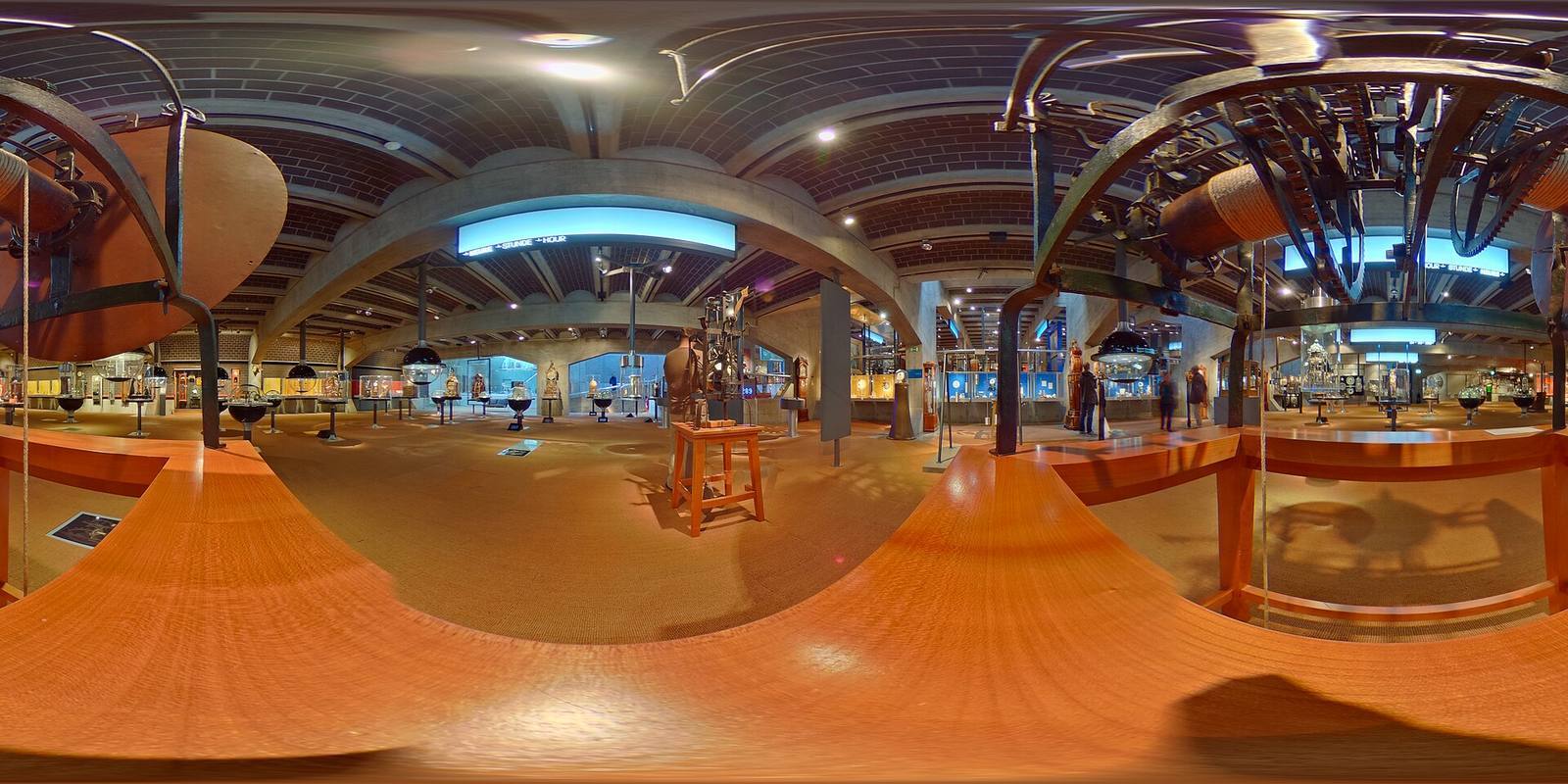
That is the through line from 1865: a collection assembled so that watchmakers could learn from it, grown into an international institution that still treats time as something to be studied, restored and taught. The underground building in La Chaux-de-Fonds is not a monument to the industry. It is one of its instruments.