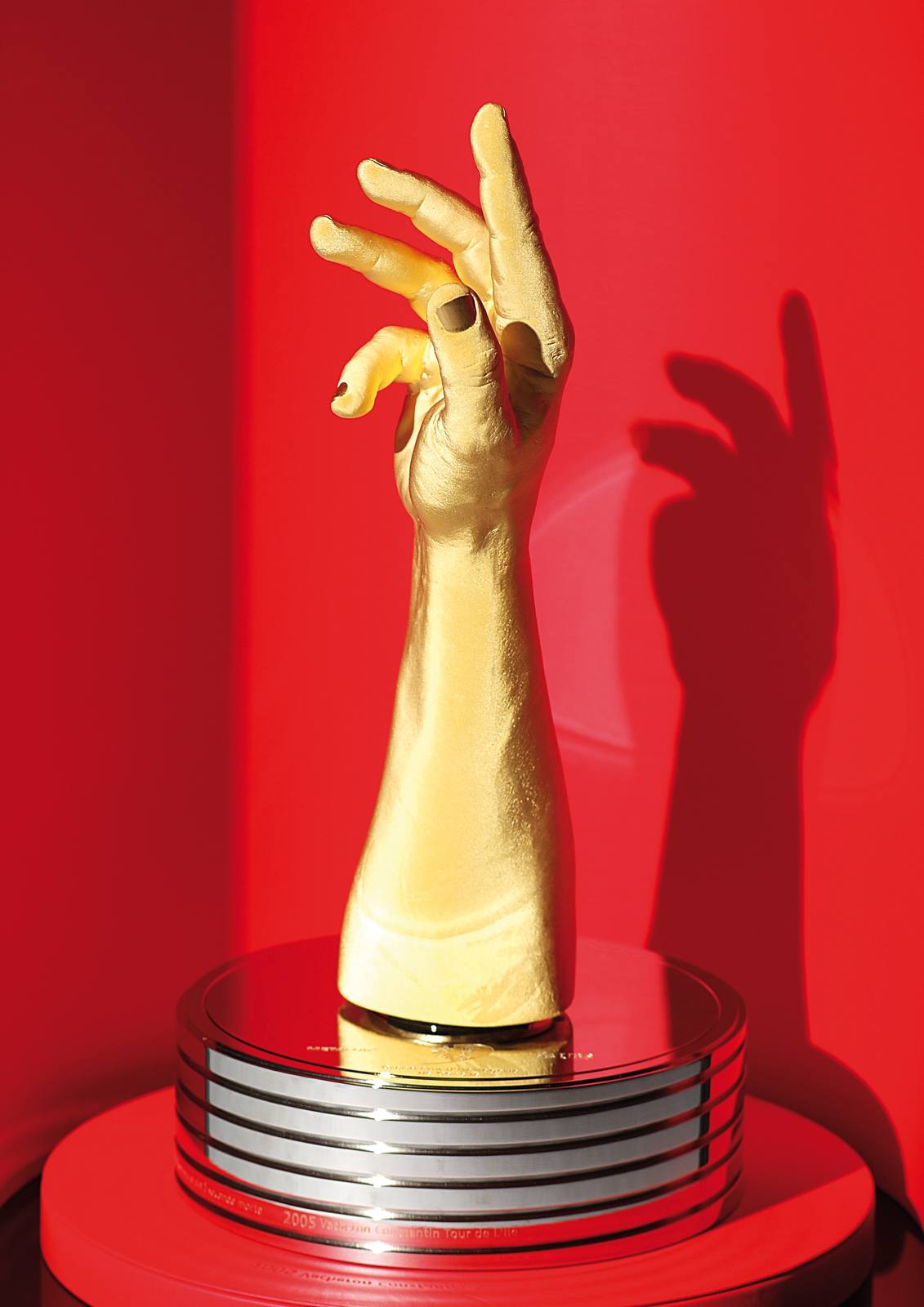
The Grand Prix d'Horlogerie de Geneve has unveiled its 2026 nominees: 84 timepieces across 14 categories, shortlisted from submissions by 57 brands after voting by the Academy's thousand-plus members. The awards ceremony takes place on 7 November in Geneva, livestreamed on gphg.org, and the nominees are touring in a travelling exhibition that opens in Mumbai on 28 September.
The headline is who is not there. Patek Philippe, Cartier and Vacheron Constantin are absent, as is Breguet, last year's Aiguille d'Or winner, alongside perennial non-participant Rolex. Their absence leaves the competition unusually open, and the shortlist reads as an invitation to look beyond the usual names.
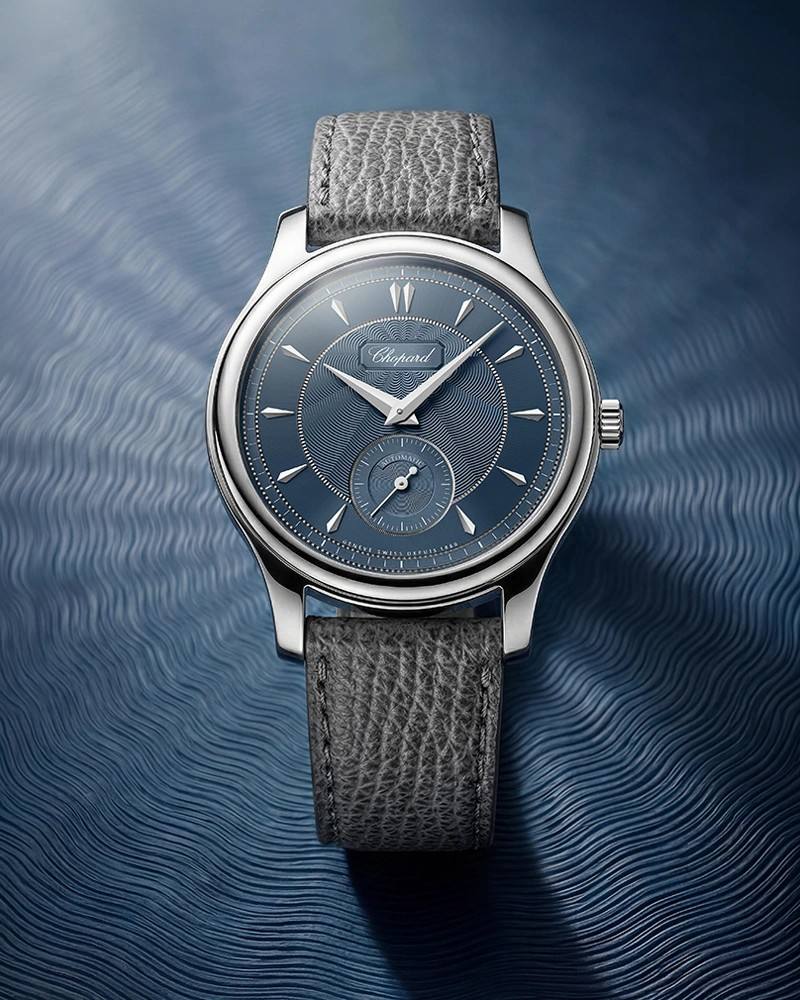
Chopard arrives with the most nominations of any brand, six across six categories. The L. U. C 1860, revisiting the watch that inaugurated the L. U. C collection, is shortlisted in Time Only, while the formidable L. U. C Grand Strike, with grande sonnerie, petite sonnerie and minute repeater functions, is nominated for Mechanical Exception. The Zagato Lab One Concept, developed with the Italian automotive design house, represents the brand in the Sports category.
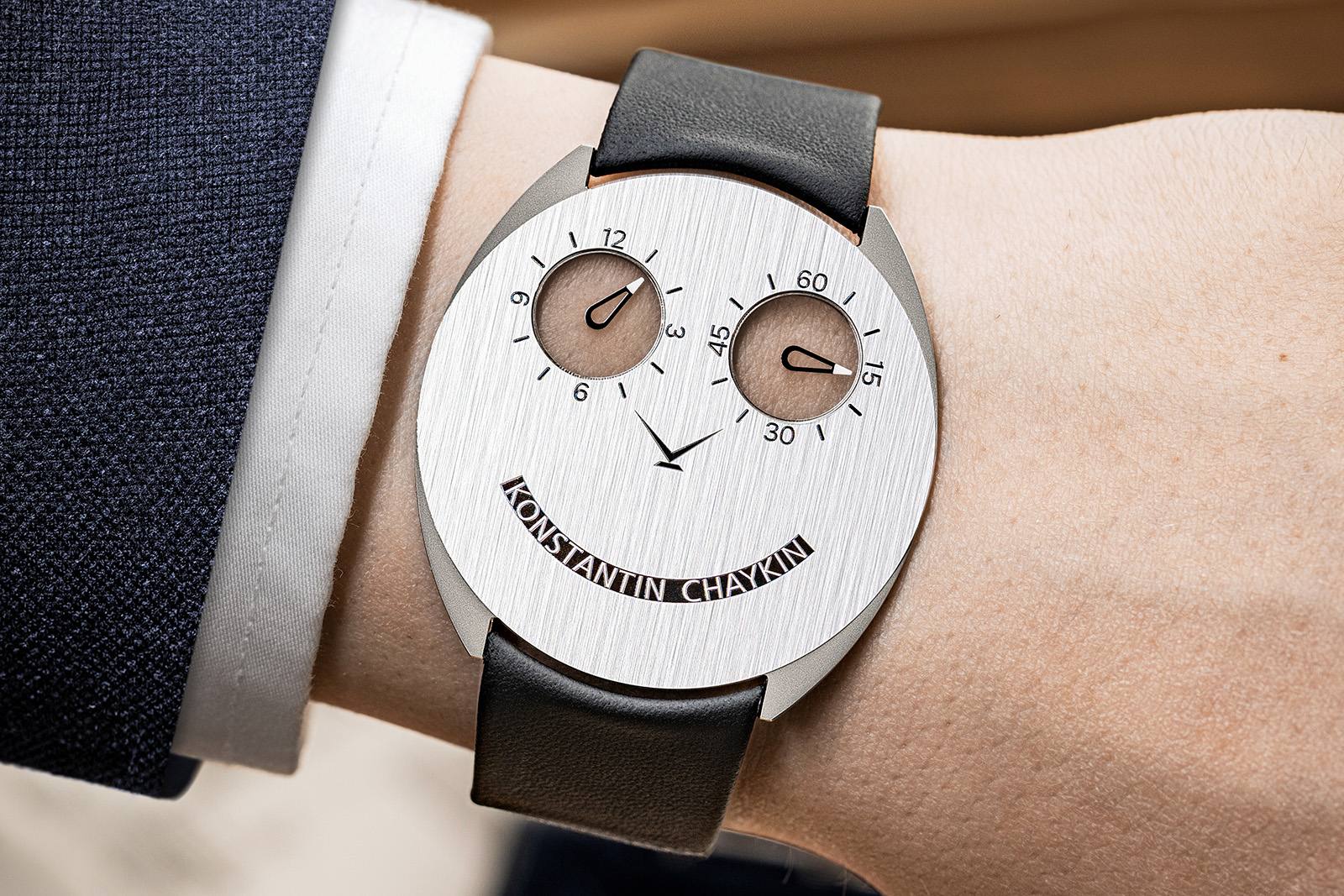
The extremes of the shortlist show the range of contemporary watchmaking. Konstantin Chaykin's ThinKing Mystery is reported at 1.65mm, billed as the world's thinnest series-produced mechanical watch. Christiaan van der Klaauw's Grand Planetarium tracks all eight planets in real time on the wrist. Ulysse Nardin and Urwerk's hand-free UR-FREAK and Ferdinand Berthoud's Naissance d'une Montre 3 are both nominated for Mechanical Exception, while Audemars Piguet's Atelier des Etablisseurs, an initiative uniting independent artisans across disciplines, is shortlisted for Artistic Crafts.
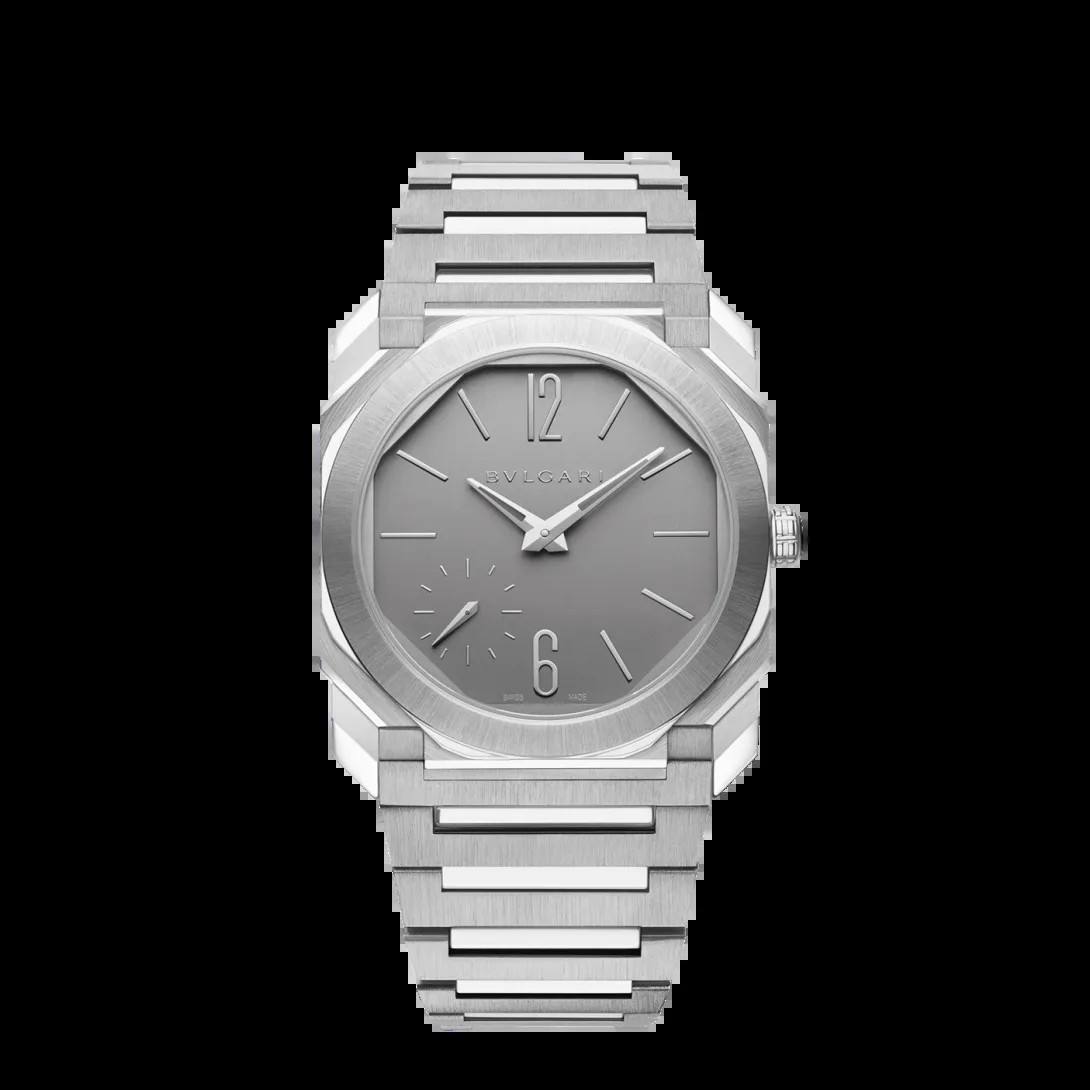
The category lists reward close reading. In Time Only, Laurent Ferrier's Classic Origin sits alongside the Bulgari Octo Finissimo 37 and Chopard's L. U. C 1860, three very different definitions of what a simple watch can be. The Chronograph category pairs Parmigiani's hidden chronograph with more conventional contenders, while Calendar and Astronomy hosts Parmigiani's Toric Perpetual Calendar 30th Anniversary. The Petite Aiguille and Challenge categories, for watches under their respective price ceilings, are where the industry's value conversation happens each year, and where smaller brands most often break through.
The process itself matters. The Academy's thousand-plus members vote in rounds, and a jury then examines and ranks the shortlisted watches in person before the November ceremony. It is an imperfect system, like all prizes, but it is the only one in watchmaking that puts a CHF 8,000 steel watch and a CHF 800,000 chiming watch through the same evaluation. The travelling exhibition, which takes the 84 nominees to audiences from Mumbai onward, extends that logic: the watches are the argument.
Parmigiani Fleurier secured four nominations, including the Tonda PF Chronographe Mysterieux in the Chronograph category. But the deeper story of the 2026 shortlist is structural: with the biggest names sitting out, the GPHG becomes what it was originally meant to be, a showcase where craftsmanship itself is the protagonist, and where a 1.65mm watch from an independent can share a stage with a chiming Chopard on equal terms. The winners will be announced on 7 November. Whatever the jury decides, the 2026 shortlist has already done its real work: it has shown where the energy in watchmaking currently sits, and it is not where it used to be.