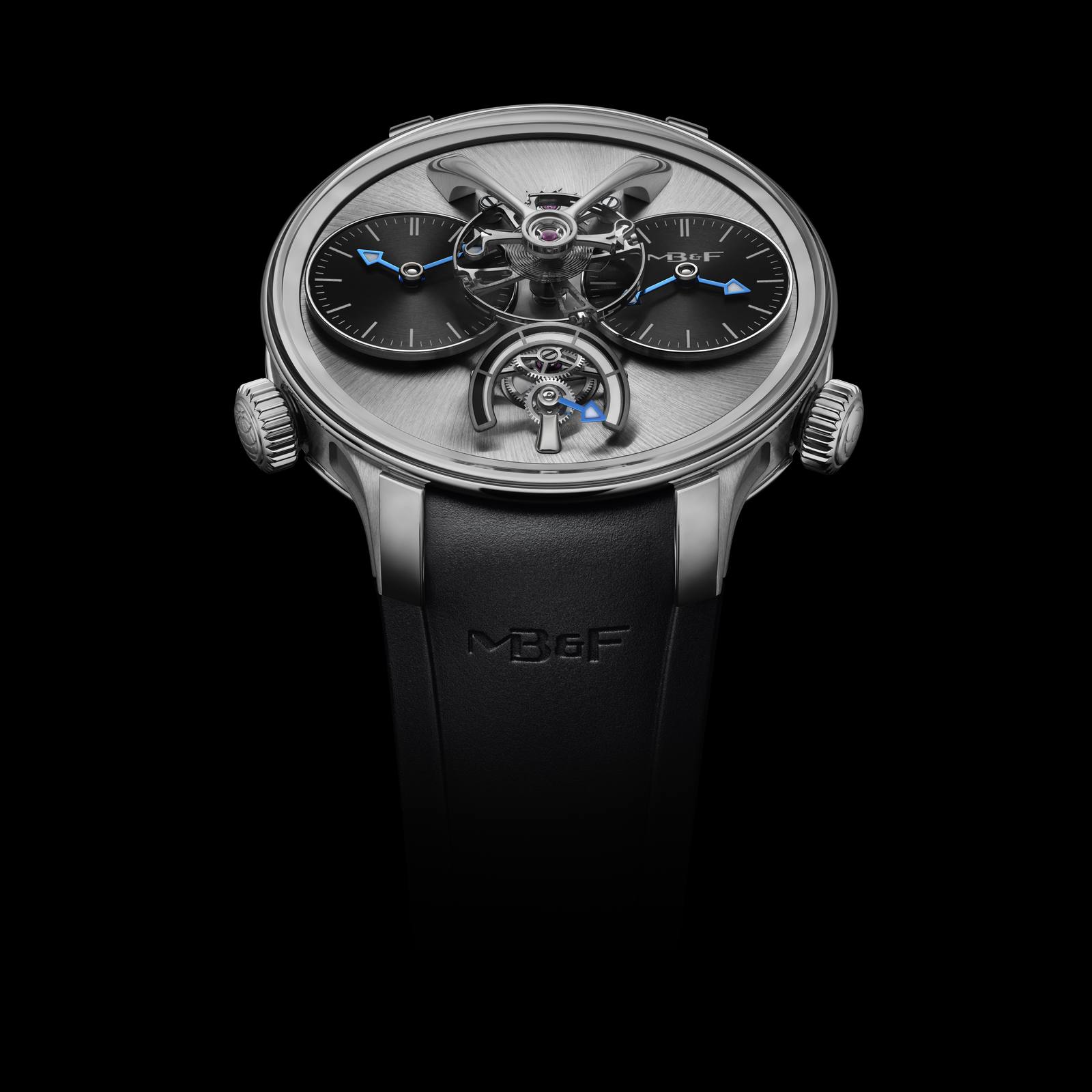
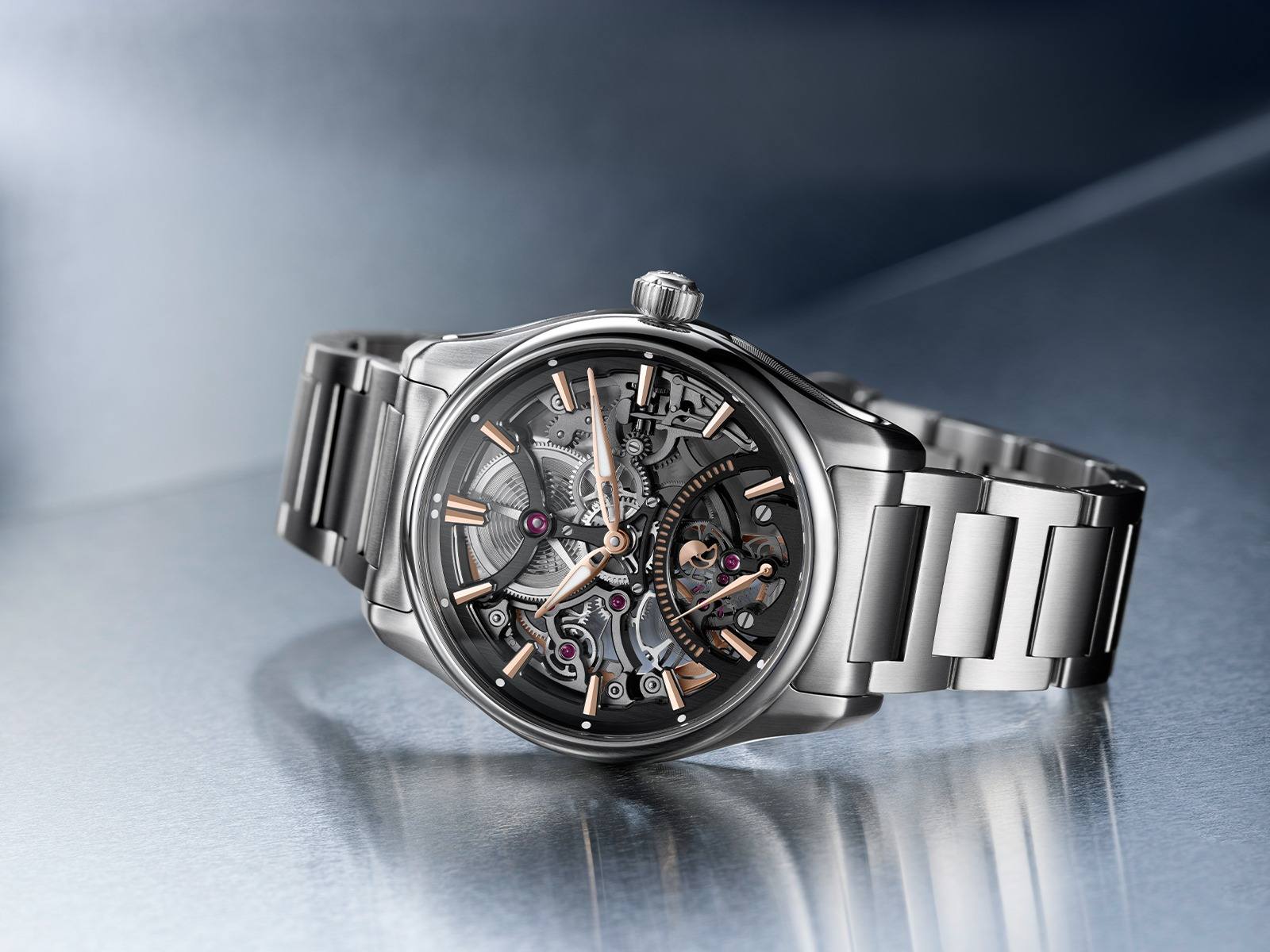
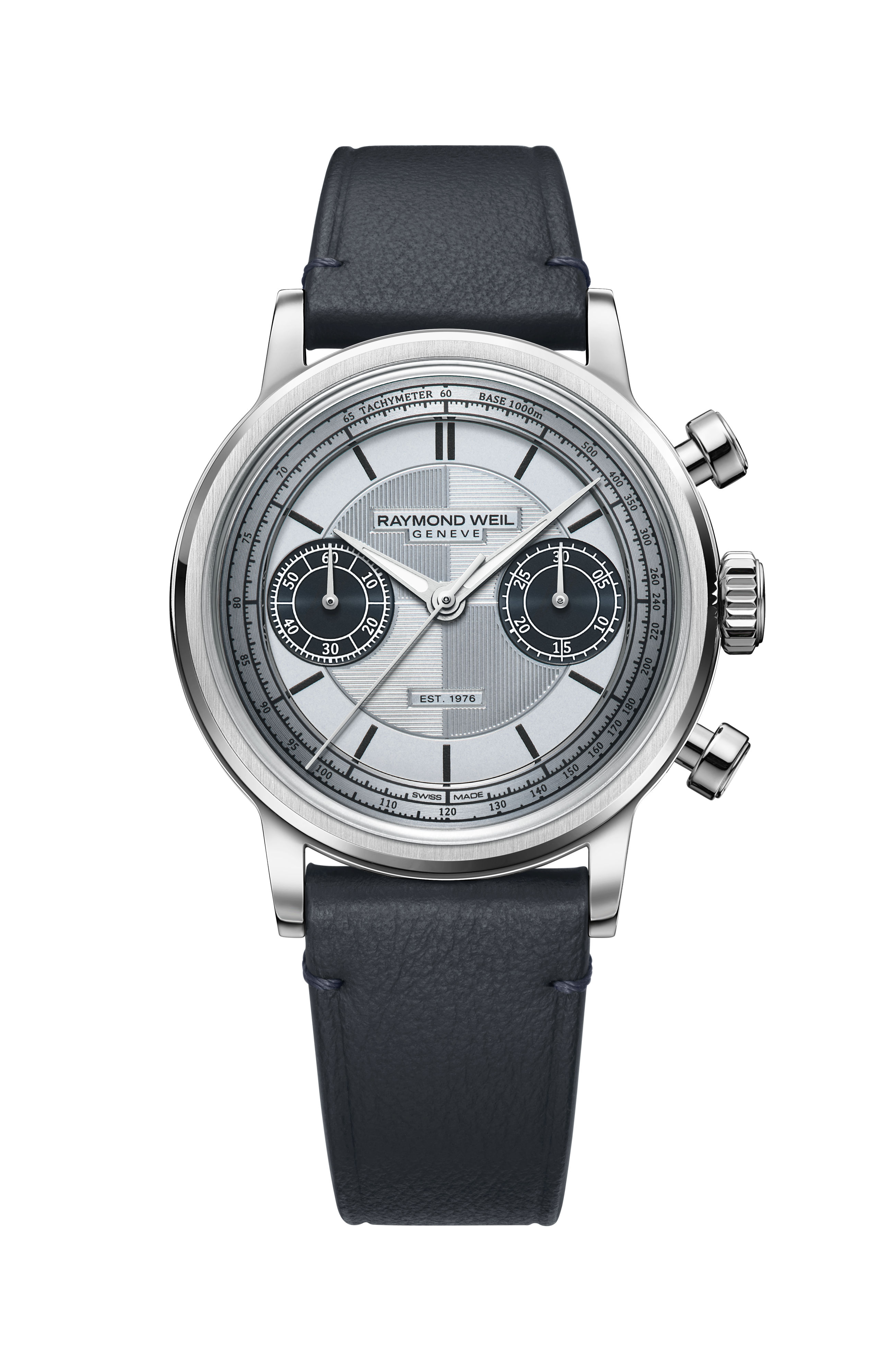
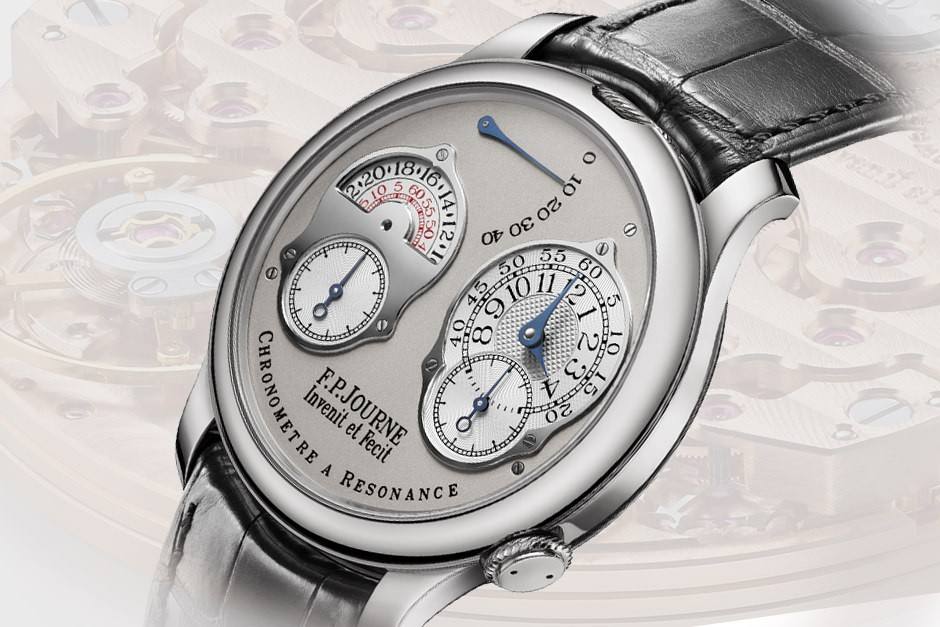
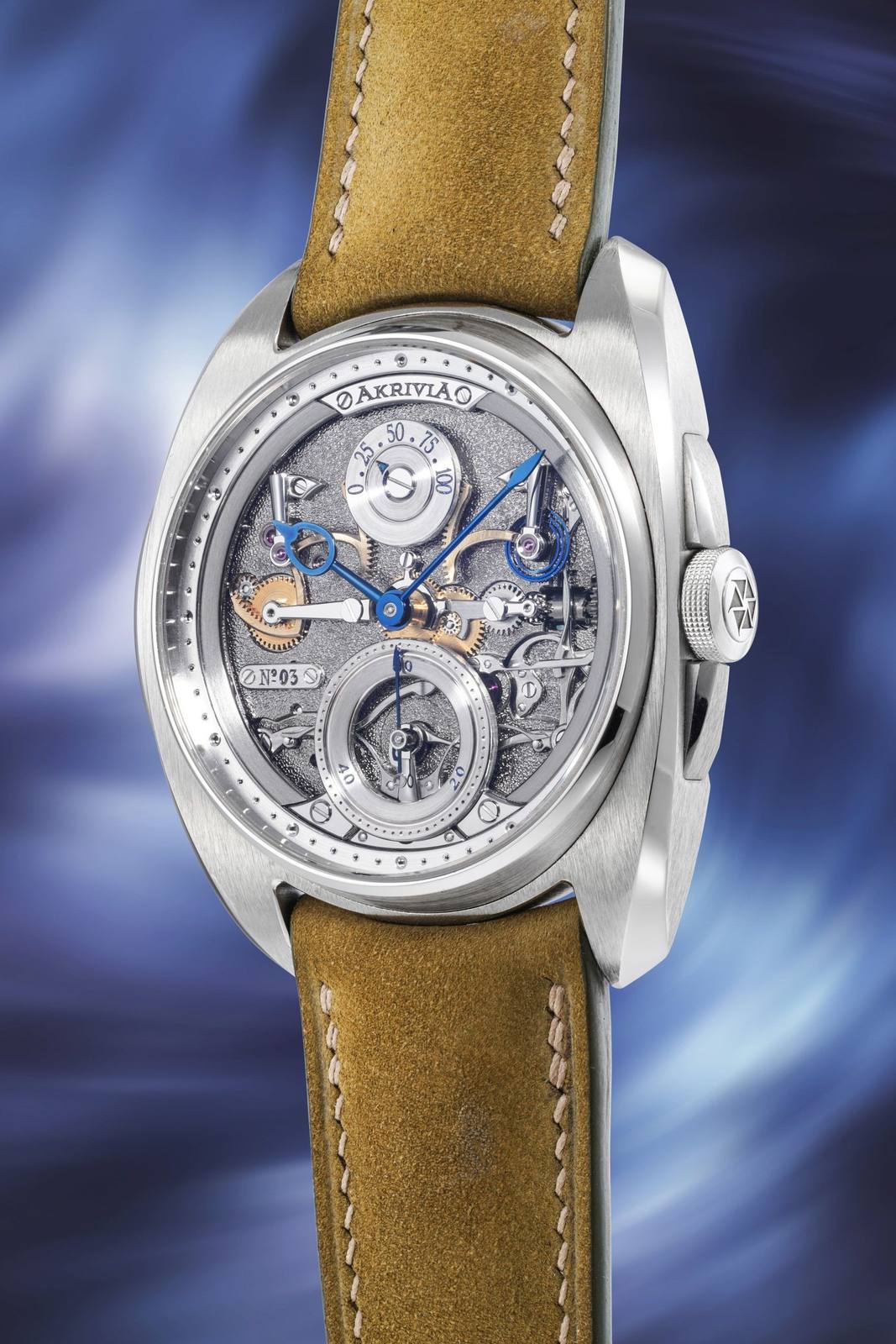
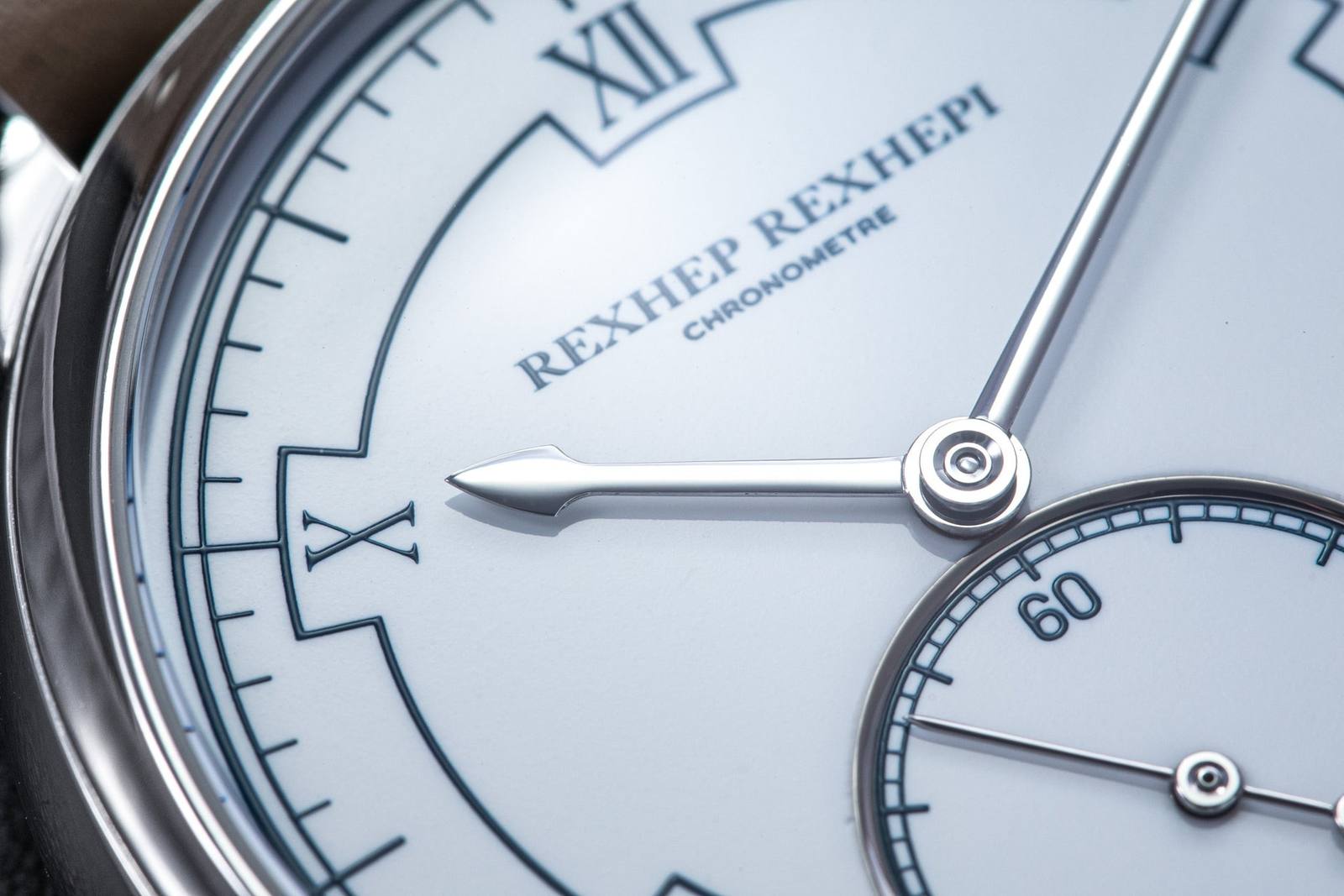
On 9 May 2026, a stainless steel wristwatch by Rexhep Rexhepi, a 39-year-old watchmaker working out of a handful of workshops in Geneva's Old Town, sold at Phillips in Geneva for CHF 3 million, a record for the maker. In the same sale, a two-tone F. P. Journe Chronometre a Resonance 'Souscription No. 18' made CHF 4.87 million. A unique tourbillon by Louis Richard, a name unfamiliar to most collectors, realised more than CHF 3.96 million. The Louis Audemars & Co. 'La Royale' super-complication fetched more than CHF 2.5 million.
Add it up and the independents were not a sideshow at Geneva's May 2026 auction week. They were the structural story.
It was not always so. To understand what happened, you have to go back to 1985, when Vincent Calabrese and Svend Andersen founded the Academie Horlogere des Createurs Independants, the AHCI, giving scattered independent watchmakers a collective identity for the first time. For two decades the independents were the industry's conscience and its margin: admired by connoisseurs, ignored by the market, sustained by a few dozen collectors who bought the maker as much as the watch.
The Journe precedent
Francois-Paul Journe, who established his manufacture in 1999, was the first independent to prove the model could scale without diluting. His early brass-movement pieces, the Tourbillon Souverain and the Chronometre a Resonance with its twin balances beating in sympathy, became the reference points against which every subsequent independent would be measured. The resonance chronometer in particular gave collectors a technical story, two balances influencing each other through a shared medium, that no marketing department could have invented.
The May 2026 results show how completely that precedent has been absorbed. The 'Souscription No. 18', one of the earliest resonance chronometers, achieving CHF 4.87 million is not nostalgia pricing. It is the market recognising that Journe's early production, made in the low hundreds, represents a finite body of work by a watchmaker now firmly established as a historical figure. The one-of-five 'Pisa' edition at CHF 2.33 million and the Octa Chronographe at CHF 1.71 million tell the same story across different references.
The new generation
What is different about the current wave is who is bidding and why. Rexhepi's AK-06, the watch that made CHF 3 million in steel, is a time-only watch with a 100-hour power reserve, no tourbillon, no chiming mechanism. Its value is in its finishing and its maker, and in the fact that Akrivia's production is measured in dozens per year. The market is no longer asking independents to justify themselves with complications. Craftsmanship and scarcity are enough.
The institutional world has noticed. Louis Vuitton's Watch Prize for Independent Creatives, established under Jean Arnault, has given independent watchmaking a formal pipeline into the industry's biggest stage, while the brand's collaborations, first the Daniel Roth and Gerald Genta revivals, then the chiming-chronograph LVRR-01 with Rexhepi himself, have put independent names in front of audiences the AHCI's founders could never have reached. The 2026 GPHG nominations, unveiled in September with past winners Patek Philippe, Cartier, Vacheron Constantin and Breguet all absent, leave the field unusually open to independents and smaller houses.
How the market learned
The independents did not arrive at these prices by accident, and they did not arrive quickly. For years the auction houses treated independent watchmaking as a curiosity section, a few lots tucked between the Patek Philippes. What changed was the collector base itself. A generation of buyers who grew up reading forums and manufacture visits rather than advertisements learned to evaluate finishing the way earlier generations evaluated brand names. They learned the difference between a bevel cut by hand and one cut by machine, between a movement designed as a whole and one assembled from bought-in parts. Once that knowledge spread, the pricing followed.
The houses adapted. Phillips' curated thematic sales gave independents a stage with the same production values as the blue-chip references, and the results compounded: each record made the next consignment easier to secure, each catalogue essay educated the next bidder. By May 2026 the feedback loop was complete. A steel Akrivia making CHF 3 million is not an anomaly in that system. It is the system working as designed.
The workshops behind the prices
There is a material reason the current generation commands these prices, and it is not hype. Over the past decade the leading independents have done something the industry's giants struggle with: they have brought production in-house, process by process. Rexhepi's workshops now handle case-making, enamelling and dial-making internally, down to hand-stitched straps. Petermann Bedat's calibre 233, the movement in the Reference 1825, was designed from a blank page by the duo themselves after their earlier calibres were developed with Dominique Renaud. When collectors pay CHF 3 million for a steel watch, they are paying for a production reality: a few dozen watches a year, finished by hand, from a workshop they could walk through in an afternoon.
This is the structural difference between the independent market and the broader watch market. A manufacture producing hundreds of thousands of watches a year can adjust supply; a workshop of ten people cannot. Scarcity among the independents is not manufactured. It is arithmetic.
What to do with this information
For the collector who is not bidding at the million-franc level, May 2026 still offers a usable lesson. The lots that set records all shared three traits, and none of them requires a seven-figure budget to apply. First, originality: the watches that soared were the ones that had not been polished into anonymity, redialled, or 'improved'. Second, documentation: the Crash with its original clasp and hallmarks, the 2523 with a traceable auction history back to 1988. Third, a story that can be verified independently of the seller's claims.
These are the same virtues collectors have always been told to prize. What is new is the precision with which the market now prices them. The gap between a correct watch and an almost-correct watch has never been wider, and it is widening. In that sense the K-shape is not a warning about the top of the market. It is an instruction manual for every level of it.
What the K-shape means
There is a necessary caution in all of this. While Geneva's auction rooms set 43 world records in a single Phillips weekend, the broader secondary market barely moved: the WatchCharts Overall Market Index fell 0.1 per cent in May. The records are concentrated at the very top, in watches with impeccable provenance, original condition and documented history. The middle of the market, even for respected independents, remains selective.
That is the honest reading of the resonance effect. The auction room has not decided that all independent watchmaking is valuable. It has decided that the best of it, the watches where the maker's hand is legible in every bridge and bevel, belongs in the same conversation as the finest vintage Patek Philippe. Forty years after Calabrese and Andersen gave the independents a name, the market has given them a price. For collectors, the lesson of May 2026 is the oldest one in the book: buy the maker, buy the condition, buy the story you can verify. The room will do the rest.