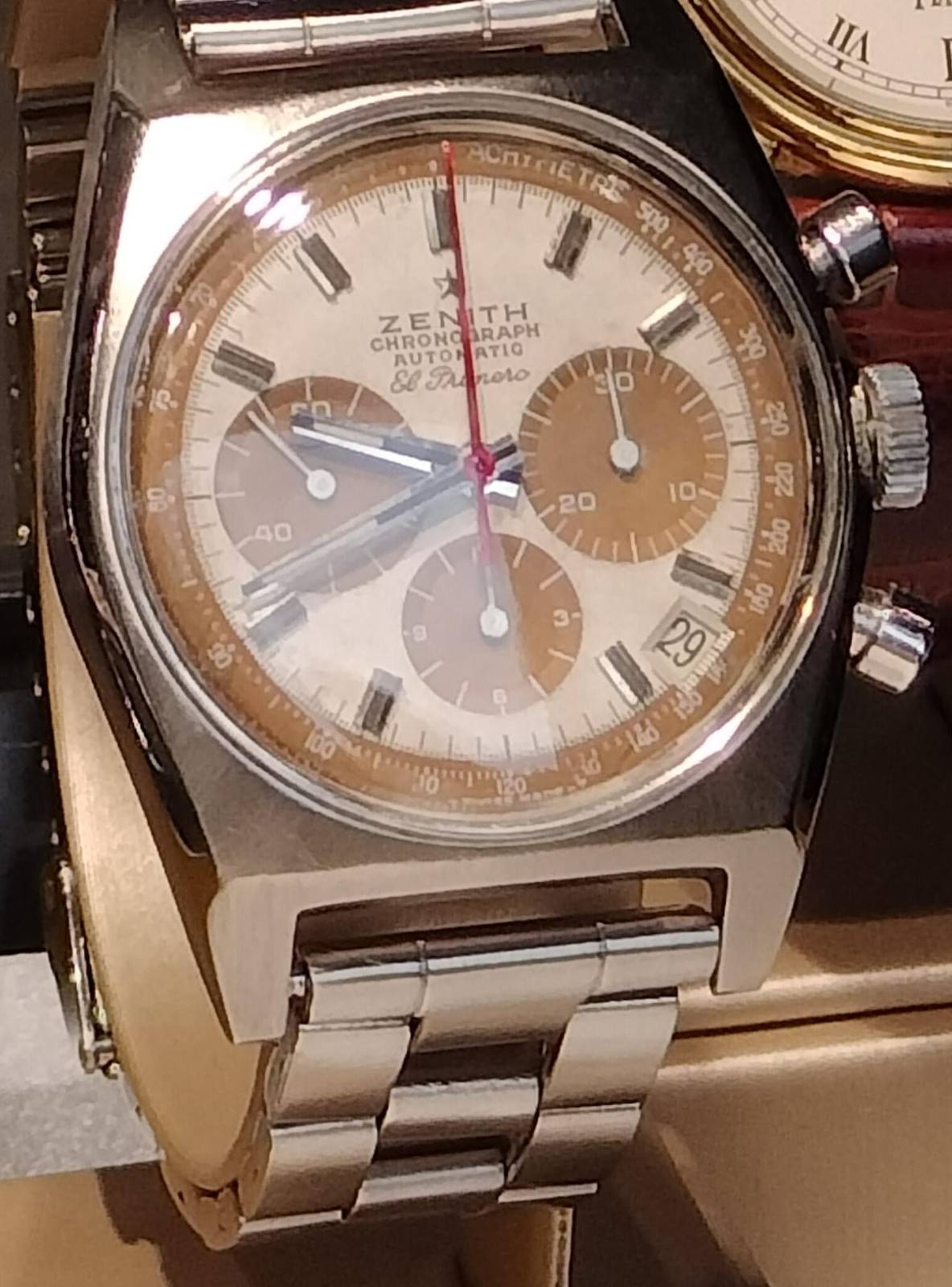
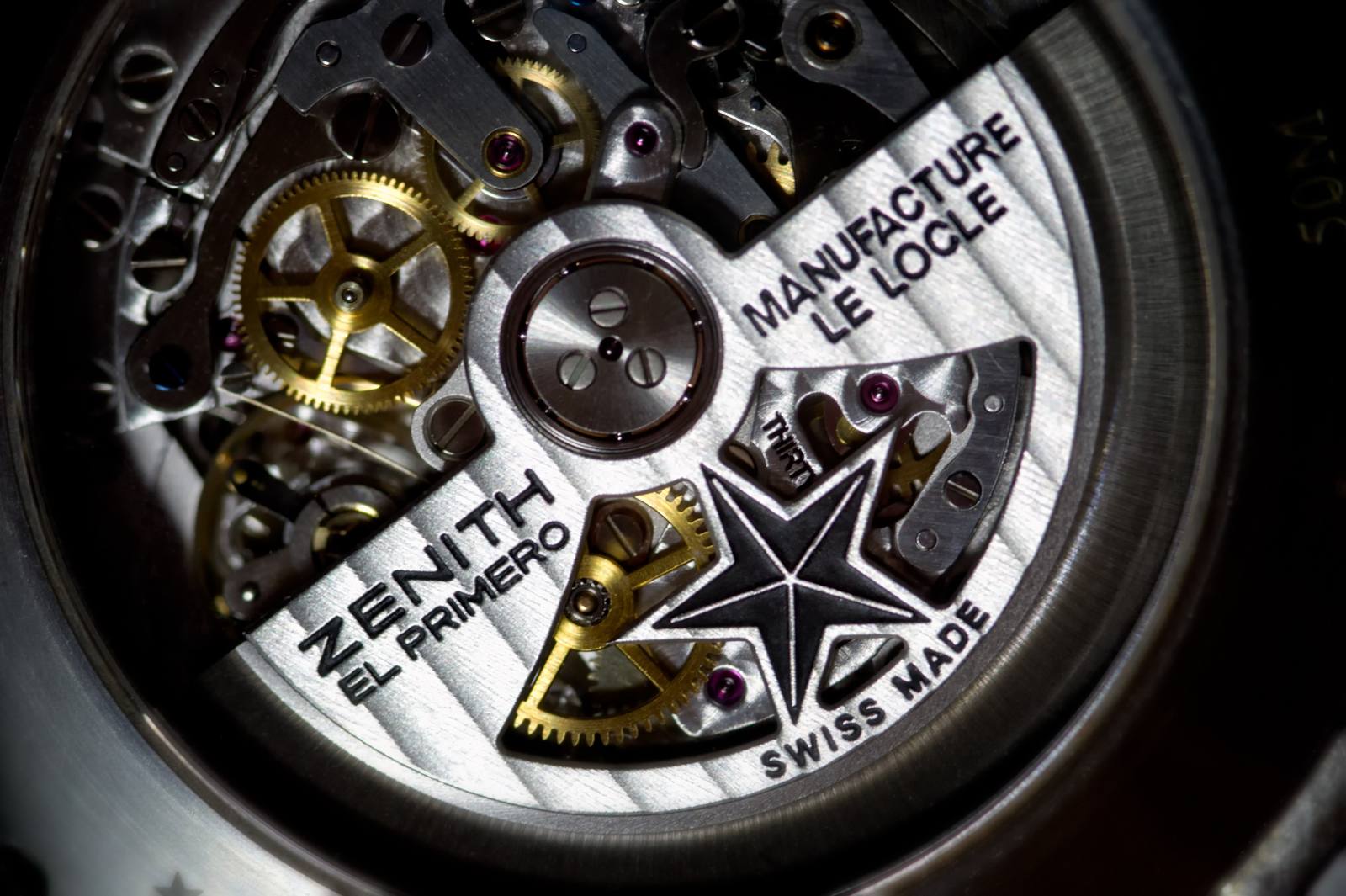
In 1865, the 22-year-old Georges Favre-Jacot opened a small workshop in Le Locle and began building watches with an ambition that would eventually give his company its name: Zenith, the highest point. A century later, that ambition produced the movement that defines the manufacture to this day. Developed through the 1960s in preparation for the brand's centenary and presented on 10 January 1969, the El Primero was an automatic chronograph running at 36,000 vibrations per hour, twice the frequency of a conventional movement, and capable of measuring elapsed time to a tenth of a second.
It is widely credited as the first integrated automatic chronograph calibre, designed from the outset as a single automatic chronograph movement rather than a hand-wound chronograph with a winding module attached. The context was a genuine race: manufacturers including TAG Heuer, Breitling, Hamilton-Buren and Zenith were all pursuing the automatic chronograph as quartz technology loomed. In a year when several reached the goal, Zenith's was the high-frequency answer, and it arrived first to the public.
The technical case was straightforward: higher frequency means the balance divides the second into smaller slices, which is exactly what a chronograph needs. At 36,000 vibrations per hour, the seconds hand advances ten times per second, and the chronograph can resolve a tenth of a second mechanically. It was, and remains, an unusually fast-beating production movement, and the frequency that made it remarkable in 1969 is still the El Primero's defining characteristic.
The order to destroy it
By the early 1970s, the Swiss industry was in crisis. In 1971 a majority stake in the Mondia-Zenith-Movado group was taken by the Zenith Radio Corporation of Chicago, an American electronics group that saw the future in quartz. Believing mechanical watchmaking had no future, the new owners ordered mechanical chronograph production to stop and the El Primero's movements, parts and machinery to be destroyed.
Charles Vermot, the head of Zenith's chronograph workshops, refused. Working with his brother, he secretly packed away the tooling, presses, stamps and technical drawings for the calibre and hid them in the factory attic, preserving the entire production infrastructure against the day it would be needed again. It was an act of direct disobedience that could have cost him his position. Instead, it saved the movement, and with it the manufacture's claim to its own history.
The second life
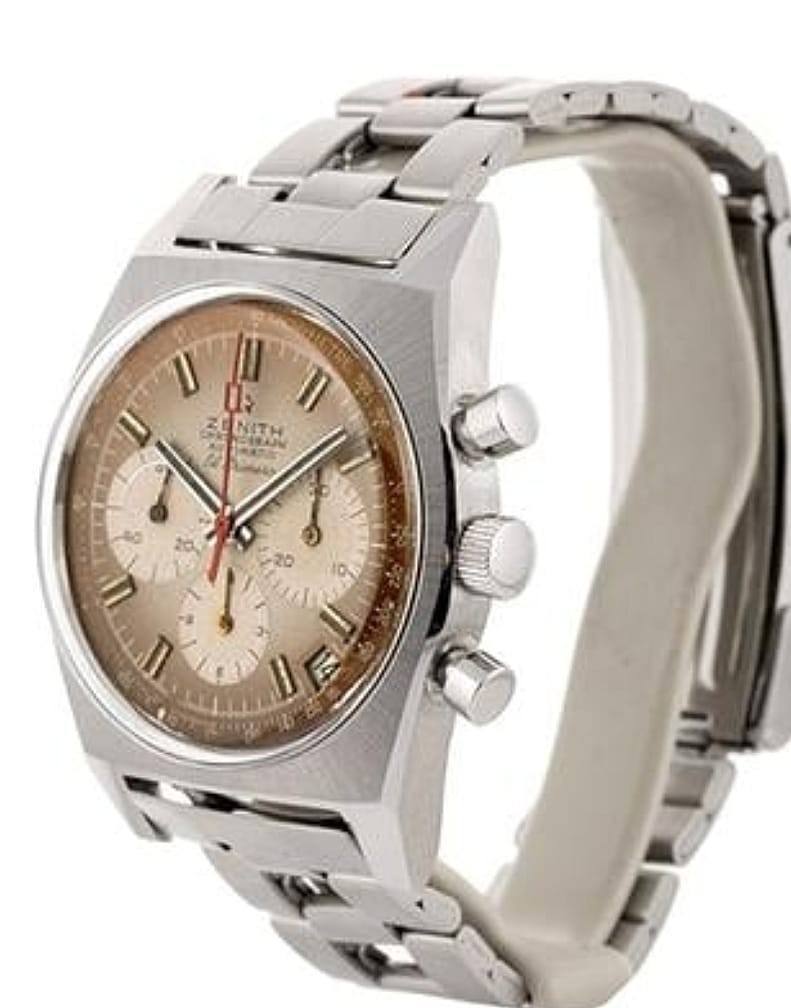
When the mechanical watch began its recovery, the hidden tooling was brought back into use, and the El Primero returned to production with Ebel's support among the early adopters. Its second life was arguably larger than its first. Rolex took a modified version of the calibre, the 4030, reduced in beat rate to 28,800 vibrations per hour, as the engine of the Daytona, putting Zenith's high-frequency chronograph at the heart of the most commercially successful chronograph in the world.
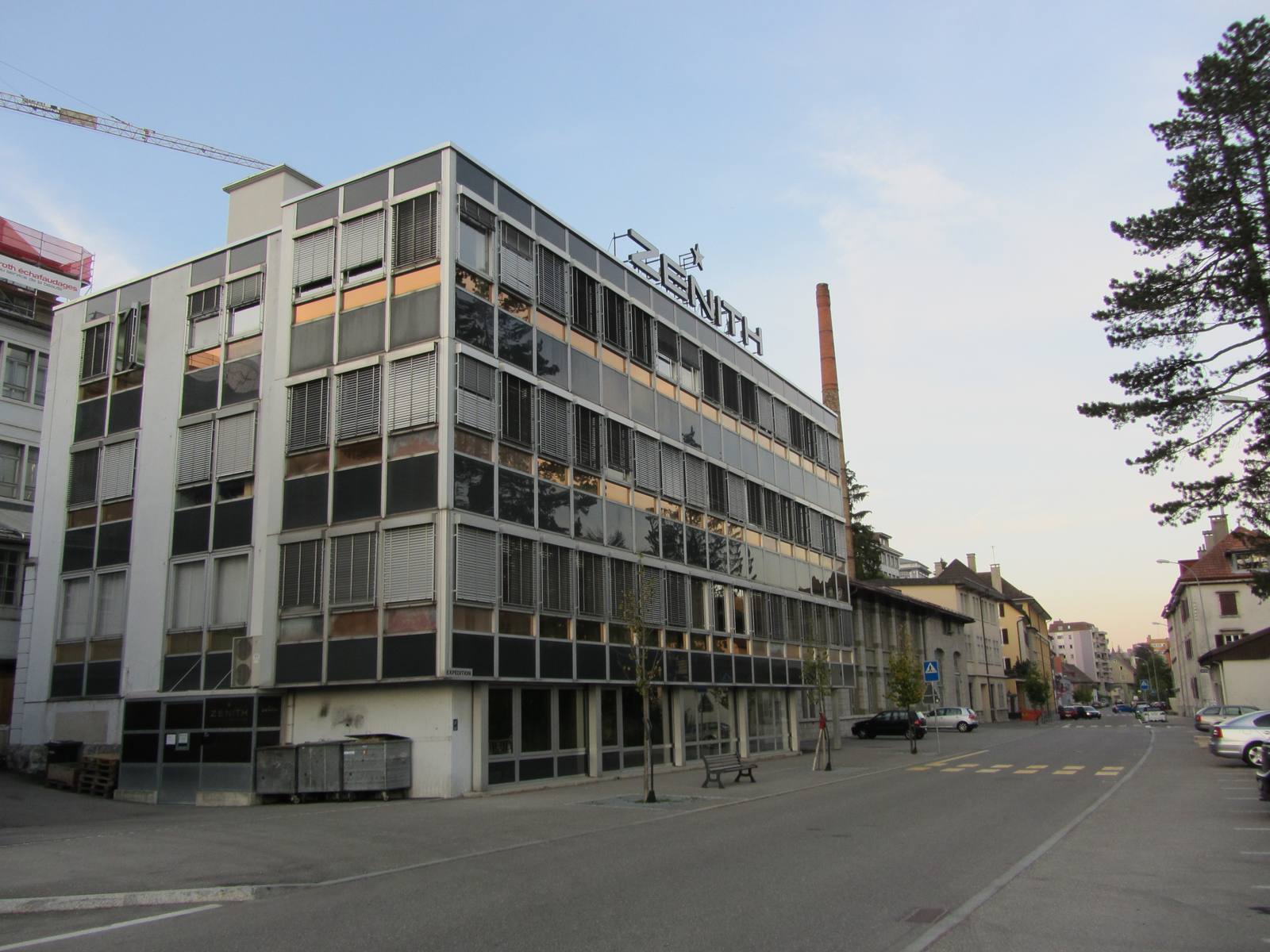
The El Primero became the backbone of Zenith's own collection, and in 1999 the manufacture joined the LVMH group. In the decades since, the calibre has been reinterpreted across the range, from the Chronomaster Open of 2003 to an El Primero tourbillon the following year, each keeping the 36,000 vibrations-per-hour heartbeat. For the anniversary in 2019, Zenith offered a fifty-year warranty on selected models, a gesture that only makes sense for a calibre its maker expects to outlive its owners. The El Primero endures not because it was the only automatic chronograph of 1969, but because it was the one someone cared enough to hide. Every modern Zenith chronograph with a 36,000 vph movement descends, quite literally, from the equipment Charles Vermot refused to let be destroyed. It remains the most consequential act of disobedience in modern watchmaking.