
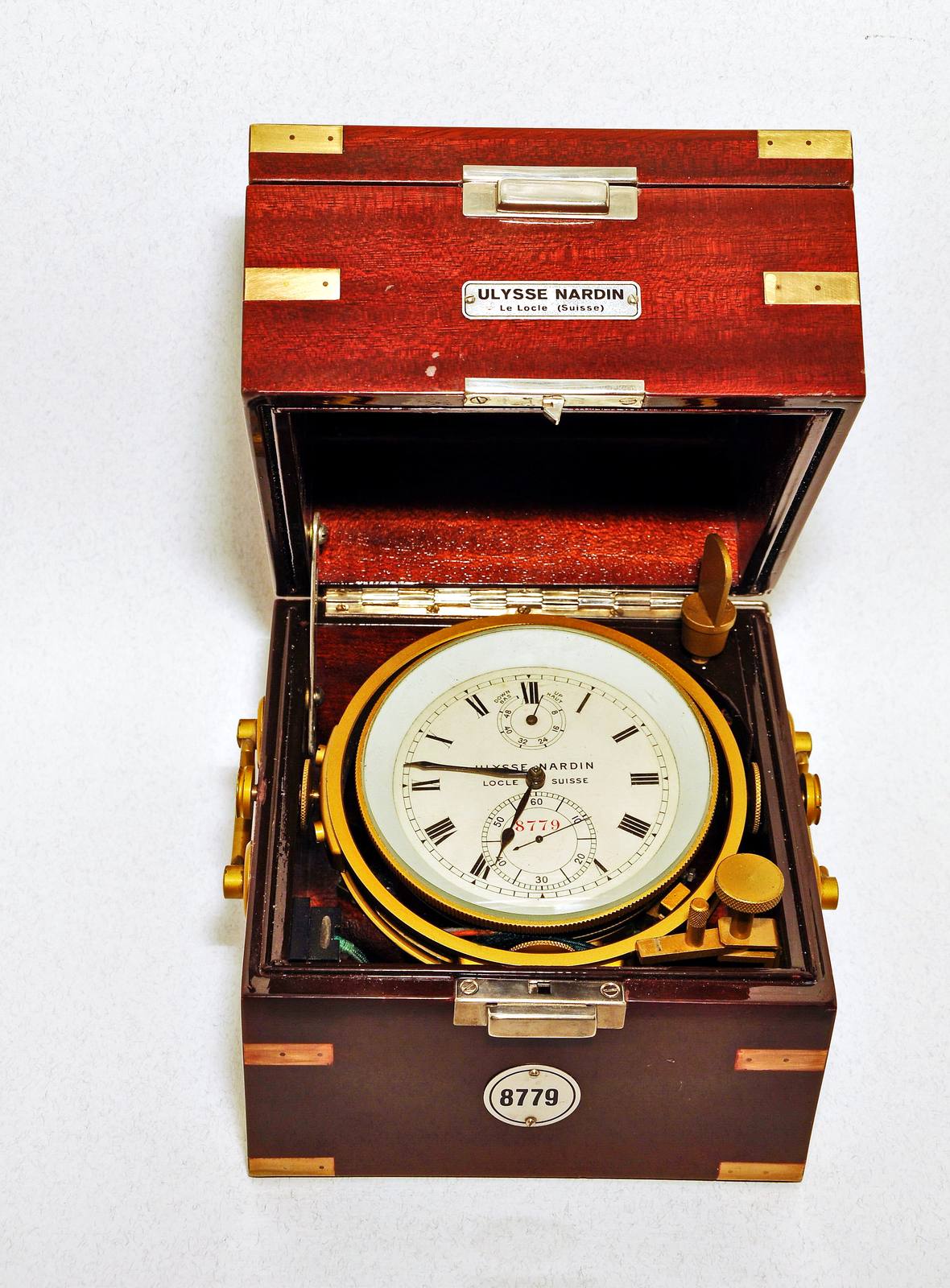
Two terms should be distinguished first. A chronograph is a watch with a stopwatch function. A chronometer is a high-precision timepiece with an official chronometer certificate. Officially, a watch can only be called a chronometer, a word most often printed on the dial, if it has been tested by an official testing laboratory in a standardised measuring procedure. For Swiss watch movements, that laboratory is the COSC, the Contrôle Officiel Suisse des Chronomètres.
The COSC was established in 1973 and is located in La Chaux-de-Fonds, with branches in Biel, Le Locle and Geneva. Only around six percent of all watches exported from Switzerland go through the certification process. There, a movement is measured in five positions, each during one day, at 8, 23 and 38 degrees Celsius. The entire testing process takes fifteen days. The average daily rate must be between minus 4 and plus 6 seconds in every position and under every condition, and the mean variation may not exceed two seconds per day. The values of the individual movement are recorded by the COSC in a certificate and provided with a number, which is also engraved on the movement.
That is what the certificate proves: that this particular uncased movement, on those fifteen days, in those positions and temperatures, kept its rate within those tolerances. It is a snapshot, and understanding that is the whole point.
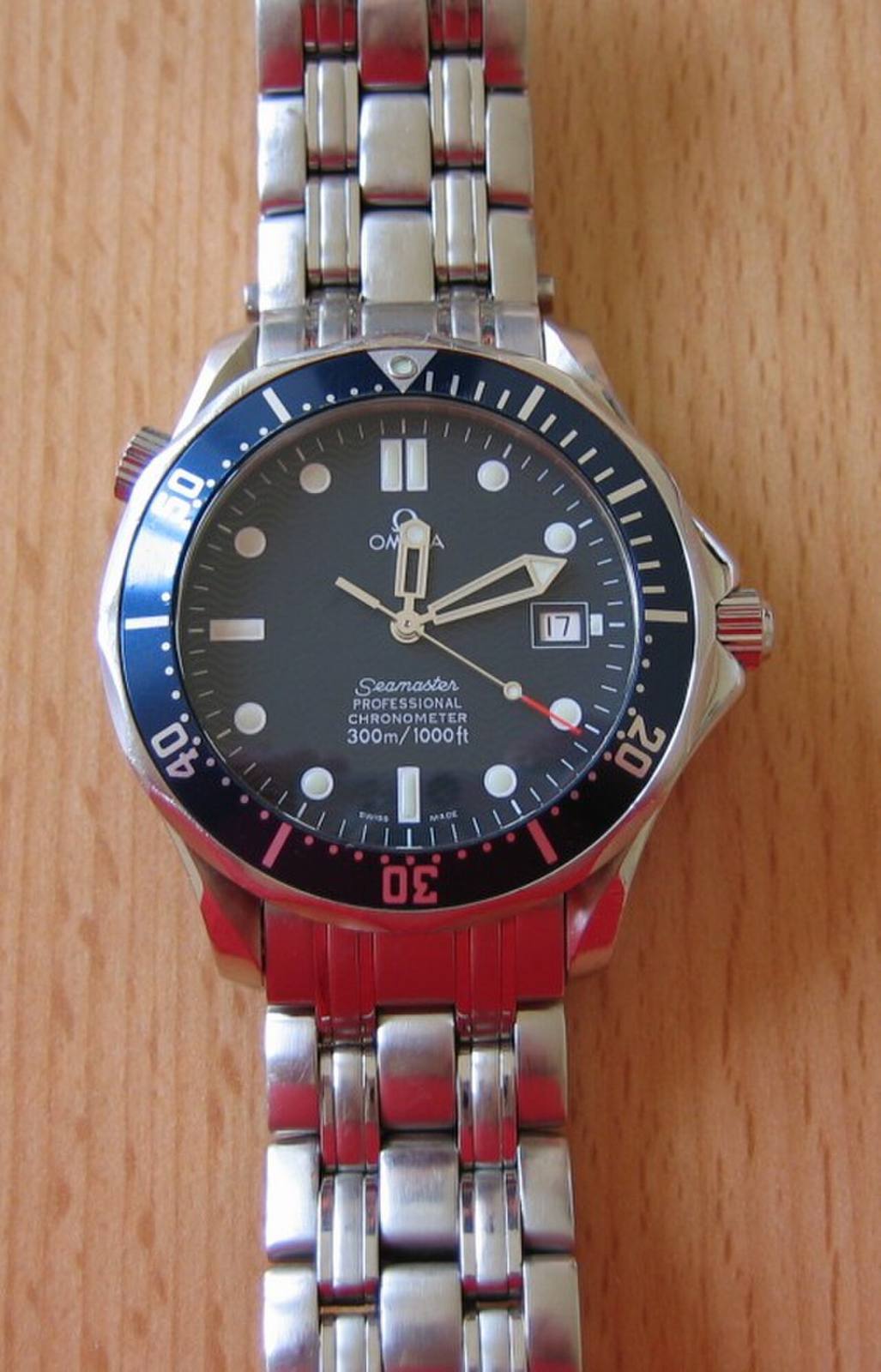
What it does not prove
The chronometer test measures the movement before it is cased. After casing, the rates are the responsibility of the manufacturer, and serious ones re-check them. Nor is the certificate a lifetime guarantee. Magnetisation, drying lubricants or a fall can change the rates, so a chronometer also requires regular servicing to restore the conditions that existed during the test. A chronometer movement often features better components than the lower grades called Standard, Elaboré or Top, plus the officially documented rate test, and the closer to chronometer grade, the better the components. But certification costs money, and the movement maker does not always guarantee that every chronometer-grade movement will pass; in some cases the maker is only liable if less than ninety percent of tested movements are certified. That is one reason certified chronometers are usually expensive watches, and only a few manufacturers manage to offer them under about 2,500 US dollars.
The alternatives
COSC is not the only seal. Timelab's Observatoire Chronométrique+ tests the rates of the movement plus waterproofness, magnetic field protection and power reserve, over twenty-one days. Since 2006, Wempe Chronometerwerke Glashütte has again been a German chronometer test centre, certified by the Physikalisch-Technische Bundesanstalt and the only institution in Germany allowed to certify a chronometer. All test centres are based on the international standard ISO 3159.
Omega, with its Master Chronometer standard developed with the Swiss Federal Institute of Metrology (METAS), goes further: eight tests on the movement and the complete watch under magnetic fields up to 15,000 gauss, with accuracy allowed to vary by a maximum of five seconds per twenty-four hours. Beyond COSC certification, METAS tests in six positions as well as the power reserve and the waterproofness of the finished watch.
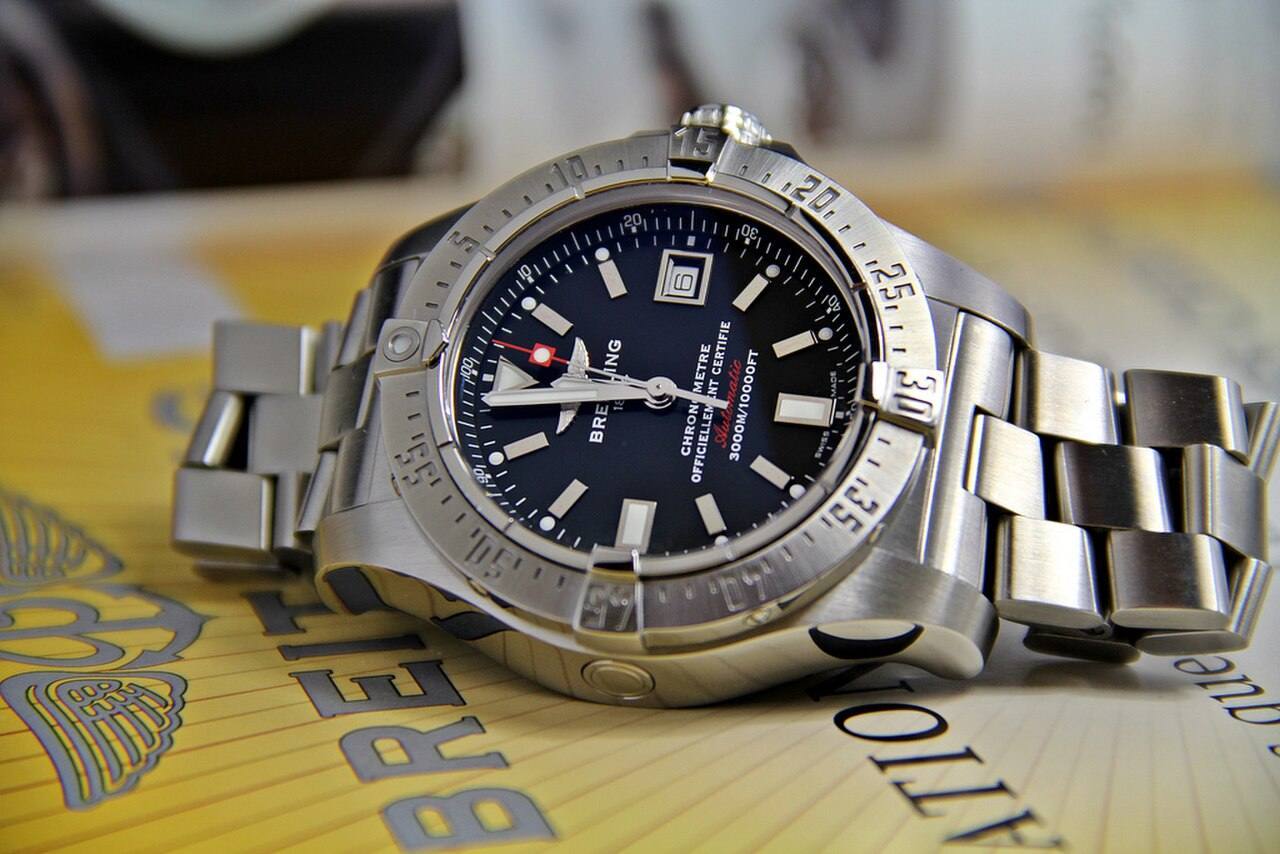
So when a dial says chronometer, read it precisely. It means an independent laboratory measured that movement, uncased, for fifteen days, and it passed. Everything after that, the casing, the wearing, the magnet on your bag clasp, the years between services, is on you and your watchmaker.


