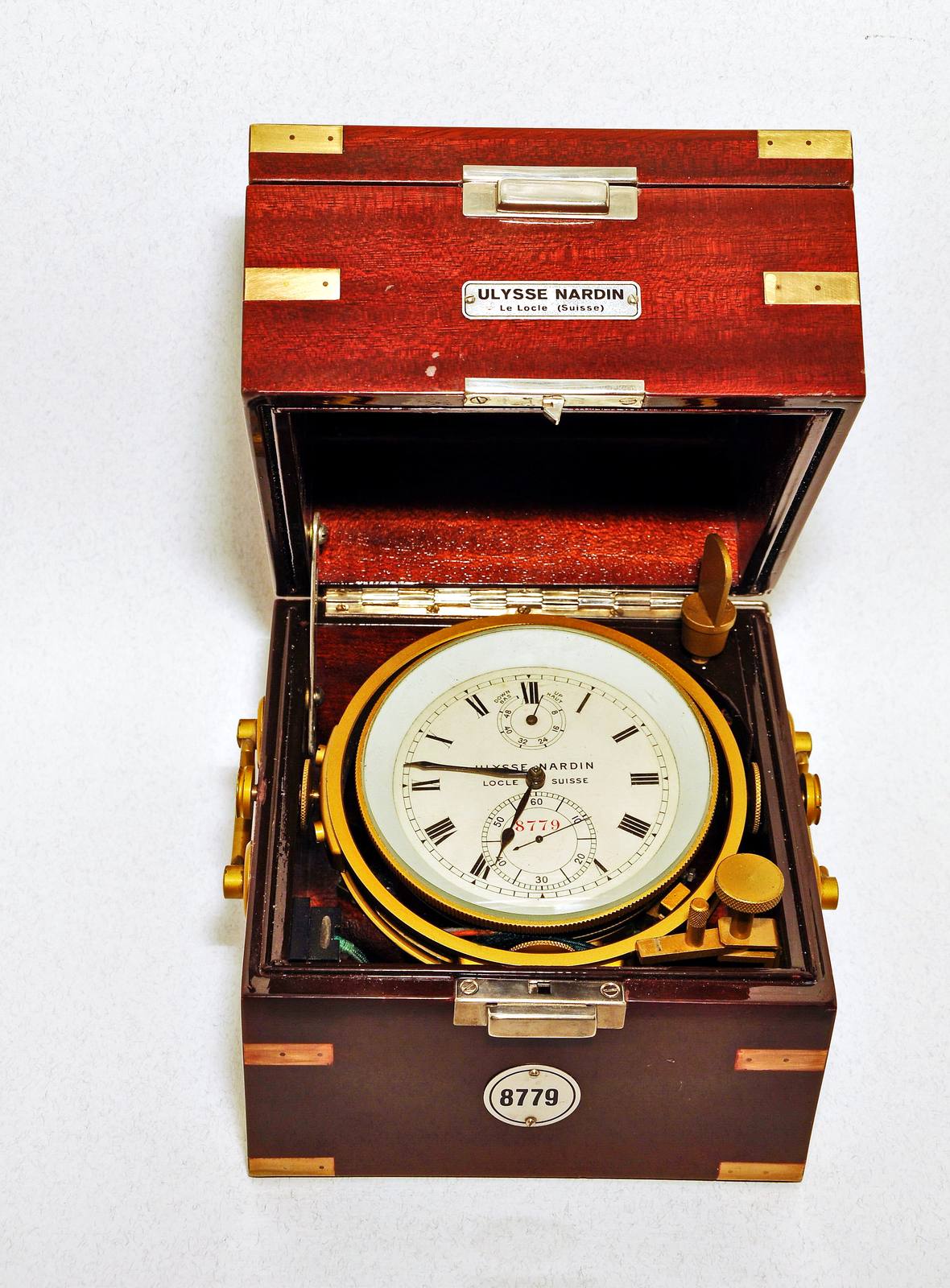
Anglage takes its name from the French for angle, and the definition is almost disappointingly plain: the bevelling and polishing of the edges of watch components, usually at 45 degrees. Everything interesting about it is in the execution. A bevel is where the flat top of a bridge meets its side, and the quality of that meeting is one of the fastest ways to tell whether a movement was finished by a craftsman or merely machined. Collectors learn to look at the edges of the plates and bridges first. Everything else is commentary.
From function to decoration
The practice dates to the 18th century, and it began as a functional operation. Sharp edges on movement components could damage neighbouring parts or catch debris, so the edges were broken and smoothed. Over time the smoothing became a polish, and the polish became a decorative language. Today anglage is applied to bridges, plates, levers and smaller components such as spring cocks, and its purpose is almost entirely visual: a polished bevel catches light differently from the flat surfaces around it, drawing a bright line that defines the shape of the movement and gives it depth. It began as deburring and ended as jewellery.
Files, pegs and paste
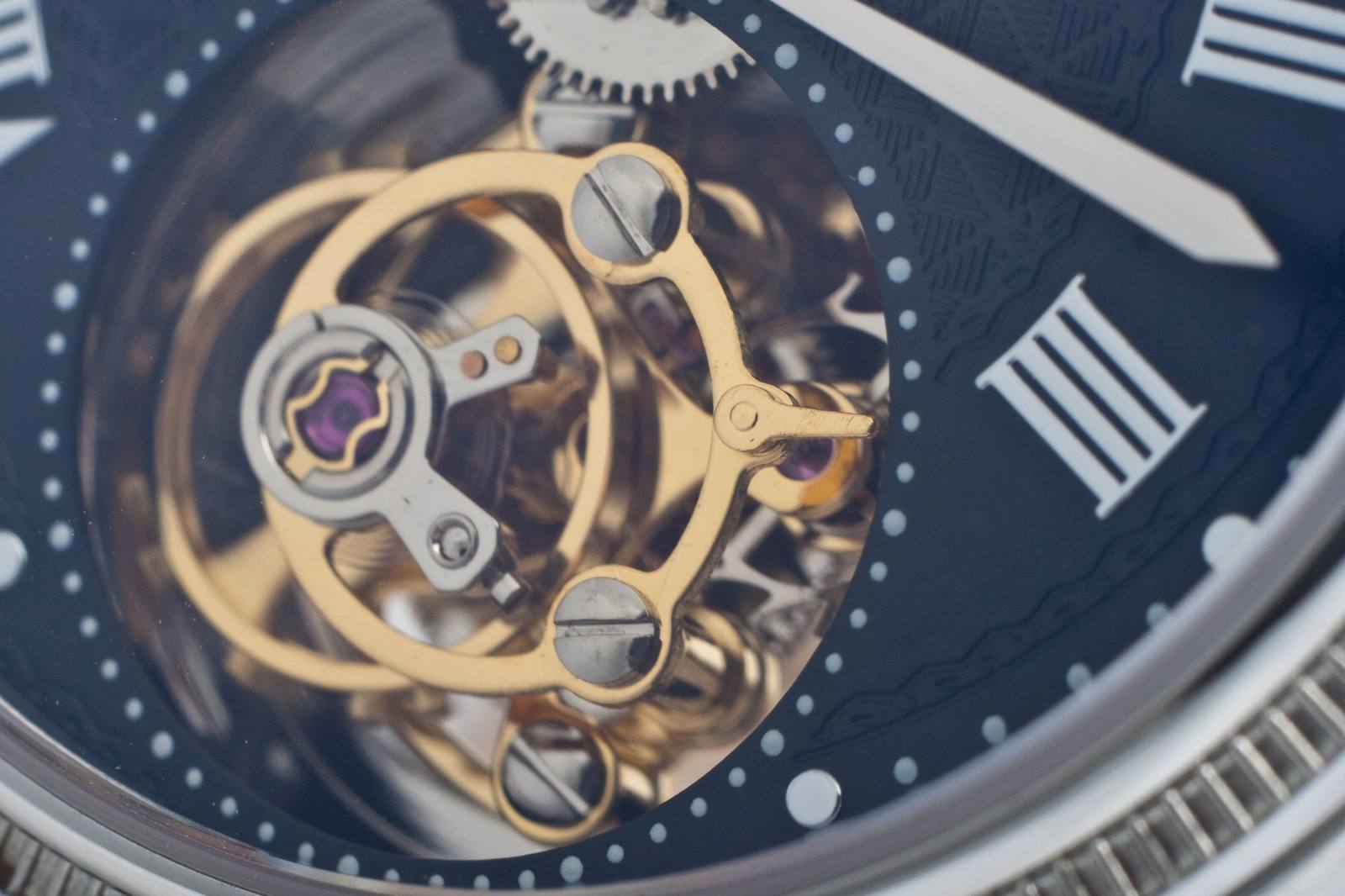
The technique starts with marking the edge to be bevelled, traditionally by hand with a fine scribe. The artisan then works through a series of files, from coarser to finer grits, shaping the edge at a precise angle, before the polishing begins: wooden pegs, abrasive pastes and polishing stones, with the most traditional method using a gentian wood stick whose fibre structure allows a high polish without scratching the metal. There are several recognised styles. Rounded anglage curves the bevel smoothly from the top surface to the side. Flat anglage keeps the bevel planar for a crisp, architectural edge. Outward anglage treats the outer edges of components, the common form. Inward anglage, the bevelling of interior angles and cutouts, is the most difficult of all, and the one that separates the competent from the exceptional.
The millimetre that takes hours
The margins are unforgiving. Bevels are typically between 0.15 and 0.4 millimetres wide, and the width and angle must stay uniform along the whole edge, even where it curves or changes direction. A single bridge can take several hours of work, and over-polishing rounds the edge too far, which can affect how the component fits and functions. Different metals behave differently under the file: brass, the usual material for plates and bridges, is soft and prone to scratching; steel is harder and resists the polish; gold can be gummy and refuses clean edges. Each demands its own tools and touch, and throughout the work the flat surfaces of the component must be protected from the very tools finishing its edges.
What the machine cannot reach
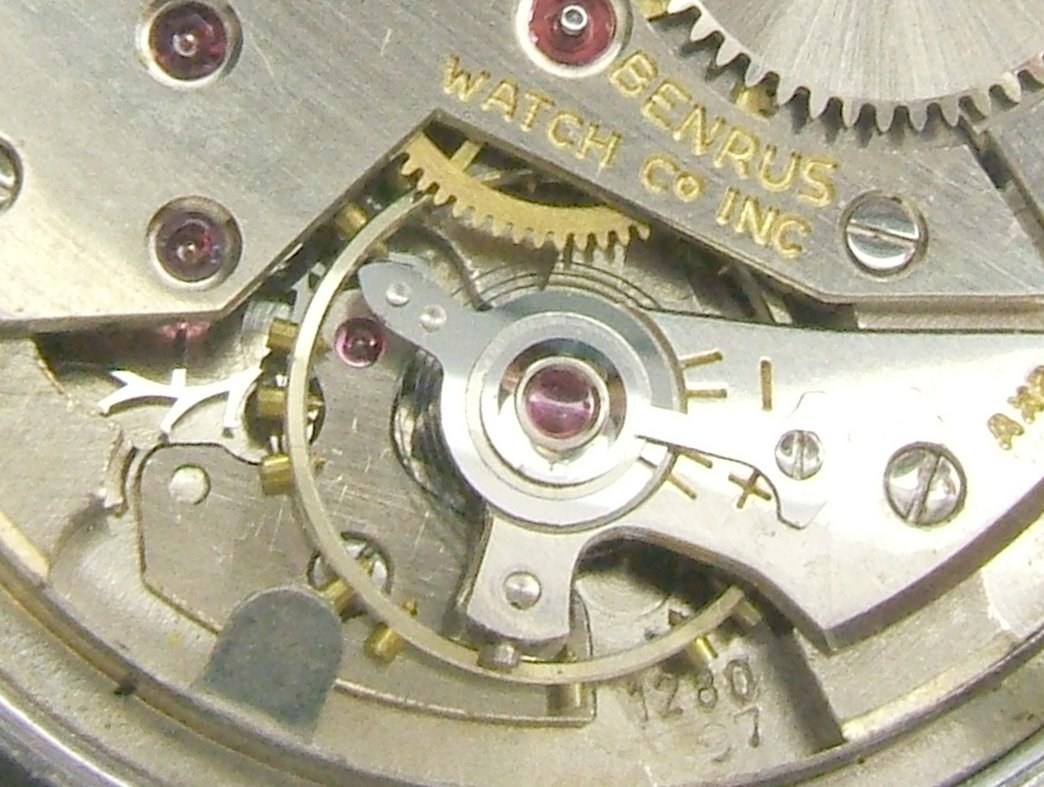
This is why hand finishing survives at the top of the market. Modern components begin life on CNC machines, which cut with superb precision but with cylindrical tools, and a cylindrical tool cannot cut a perfectly sharp interior corner: the smallest possible radius is set by the diameter of the cutter. Interior angles, the acute corners inside a component, therefore have to be finished by hand, with tiny handmade tools or abrasive thread. A sharp, polished interior angle is the collector's clearest proof that a human being worked on the movement, and it is the detail that machines, for all their precision, still cannot fake. As Philippe Barat, Patek Philippe's director of watch development, has said: "The shape of the components, how they look together, and how well they are finished are crucial to the overall value of the watch."
Reading a movement
The great names of finishing are the ones connoisseurs cite first: A. Lange & Söhne with its wide, immaculately polished bevels, Philippe Dufour, whose movements are held up as the gold standard of hand finishing, and independents like Kari Voutilainen, Roger W. Smith and Romain Gauthier. The rise of skeletonised and openworked watches has only raised the stakes, since a movement with nothing to hide puts its finishing on full display, and several manufactures now treat their bevel style as a signature as recognisable as a dial design.
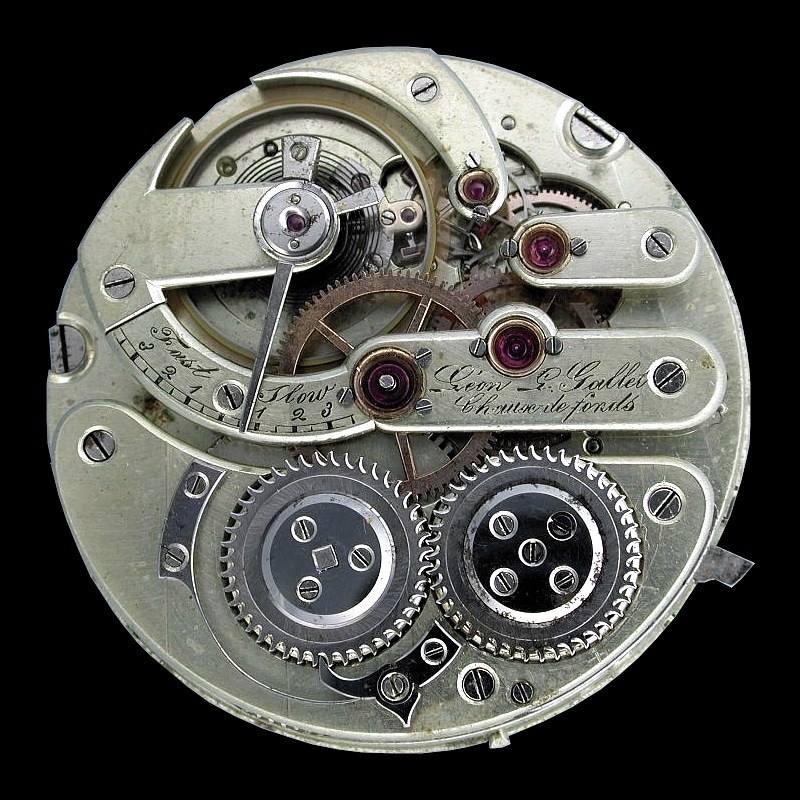
For anyone learning to read a movement, the checklist is simple. Look for bevels of consistent width and angle, even around curves. Check that the line where the bevel meets the flat surface is crisp, and that the bevel itself carries a mirror polish free of scratches or clouding. Pay special attention to the interior corners: clean, sharp inward angles are the signature of exceptional work. And watch how the bevels behave as the light moves, because the play of light on angled steel is the whole point of the exercise. In an age of increasing automation, anglage remains the most human part of the movement: the place where hours of hand work turn the utilitarian edges of a mechanism into miniature sculpture.