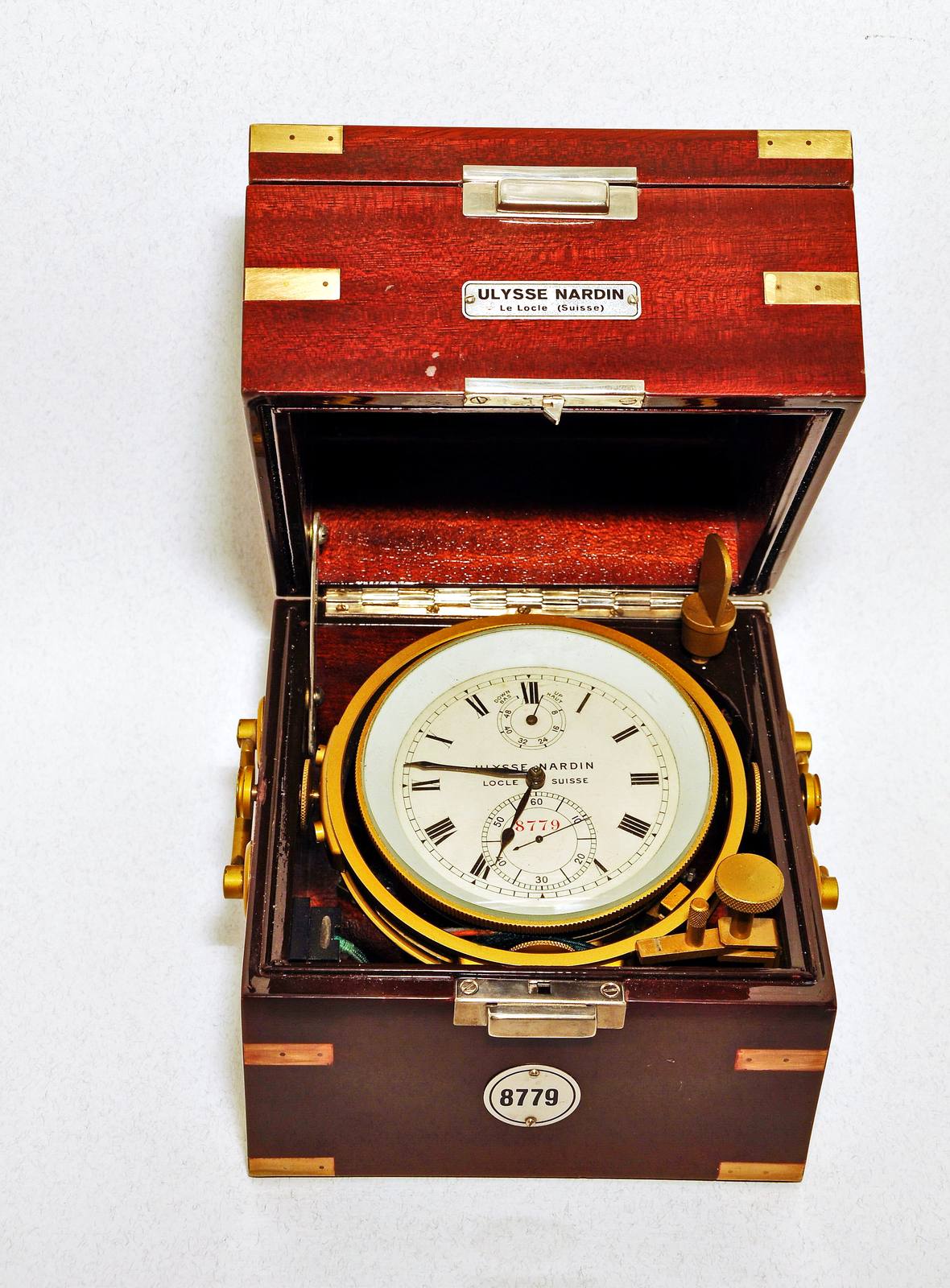
The chronograph is the complication everyone knows and few think about. Two pushers, three subdials, a column wheel or a cam buried somewhere under the dial. It has looked essentially the same for a century, which is why the most useful chronograph lesson of 2026 is that familiarity is not the same as understanding. At Watches and Wonders 2026, two manufacturers decided the familiar form was a problem worth solving, and arrived at radically different answers.
To appreciate what they did, it helps to know what a chronograph actually is. At its core it is a second gear train, the chronograph train, that can be coupled to and uncoupled from the going train on demand. The start pusher engages the coupling, a clutch or a vertical friction wheel, connecting the chronograph seconds hand to the escapement's timebase. The stop pusher freezes it. The reset pusher sends heart-shaped cams snapping the hands back to zero. The column wheel, the component collectors fetishise, is simply the most elegant way to choreograph that sequence: a rotating notched pillar that lifts and drops levers in the right order. A cam-actuated chronograph does the same job with stamped levers riding on a shaped cam, cheaper to make, less beautiful to look at, functionally equivalent.
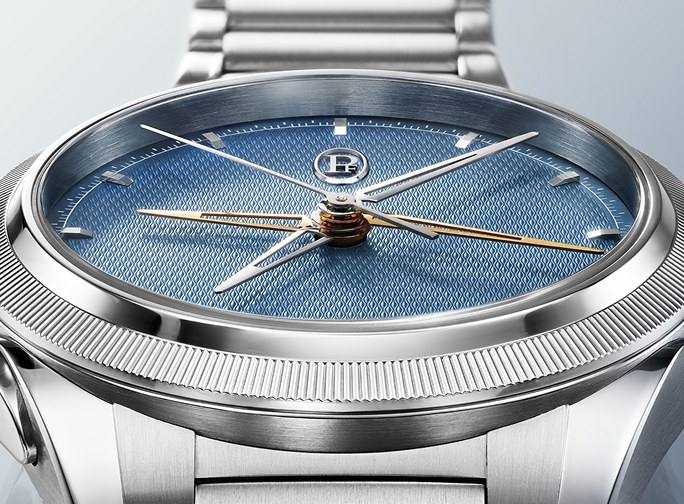
Parmigiani Fleurier's answer is the Tonda PF Chronographe Mysterieux, described in fair coverage as the world's first hidden chronograph, a complication that reveals itself on demand. The chronograph function is there, fully mechanical, but the watch refuses to look like a chronograph until asked. It is a conceptual inversion: the complication that has always announced itself with extra hands and crowded subdials, made discreet. The piece was subsequently shortlisted in the Chronograph category of the GPHG 2026 nominations.
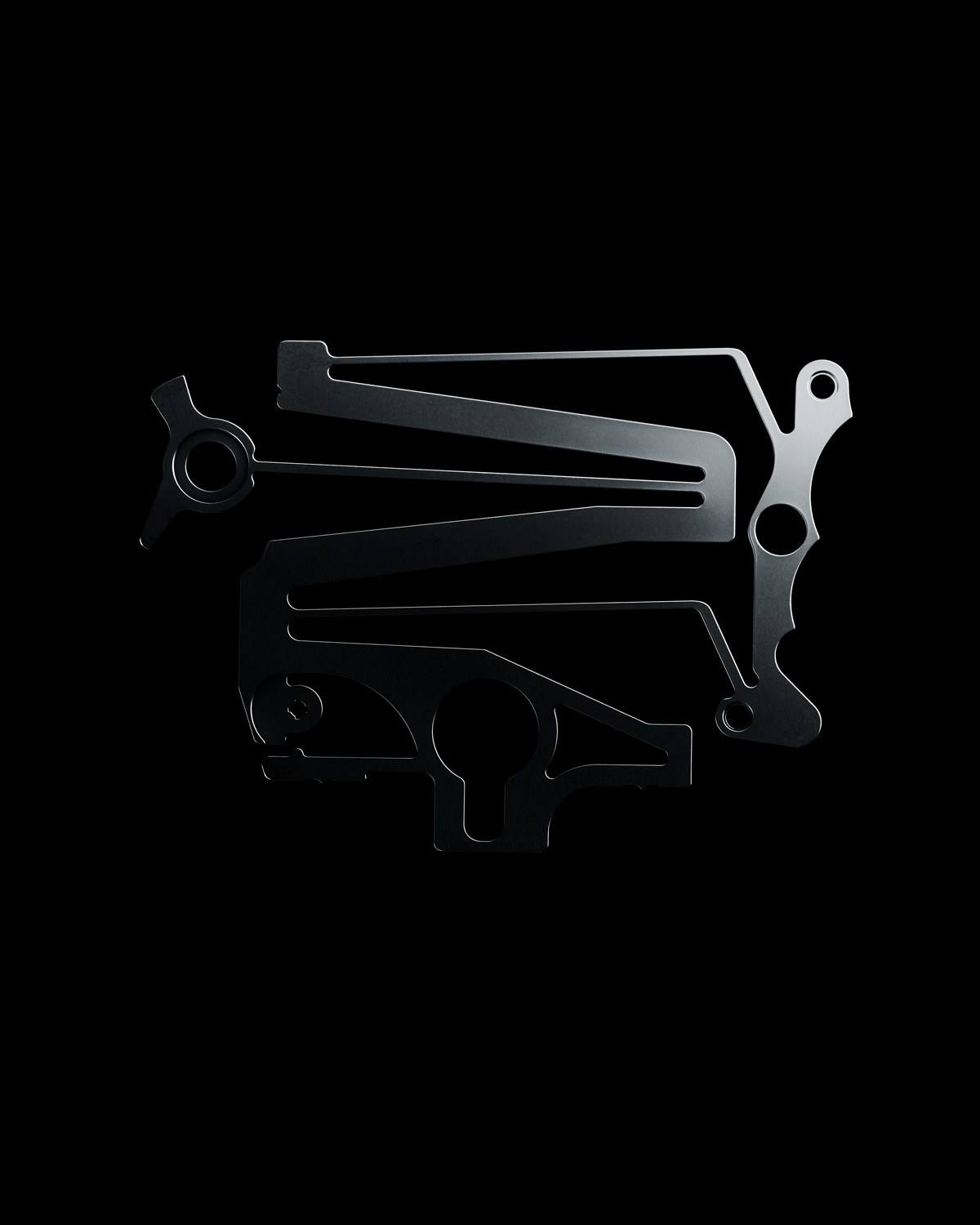
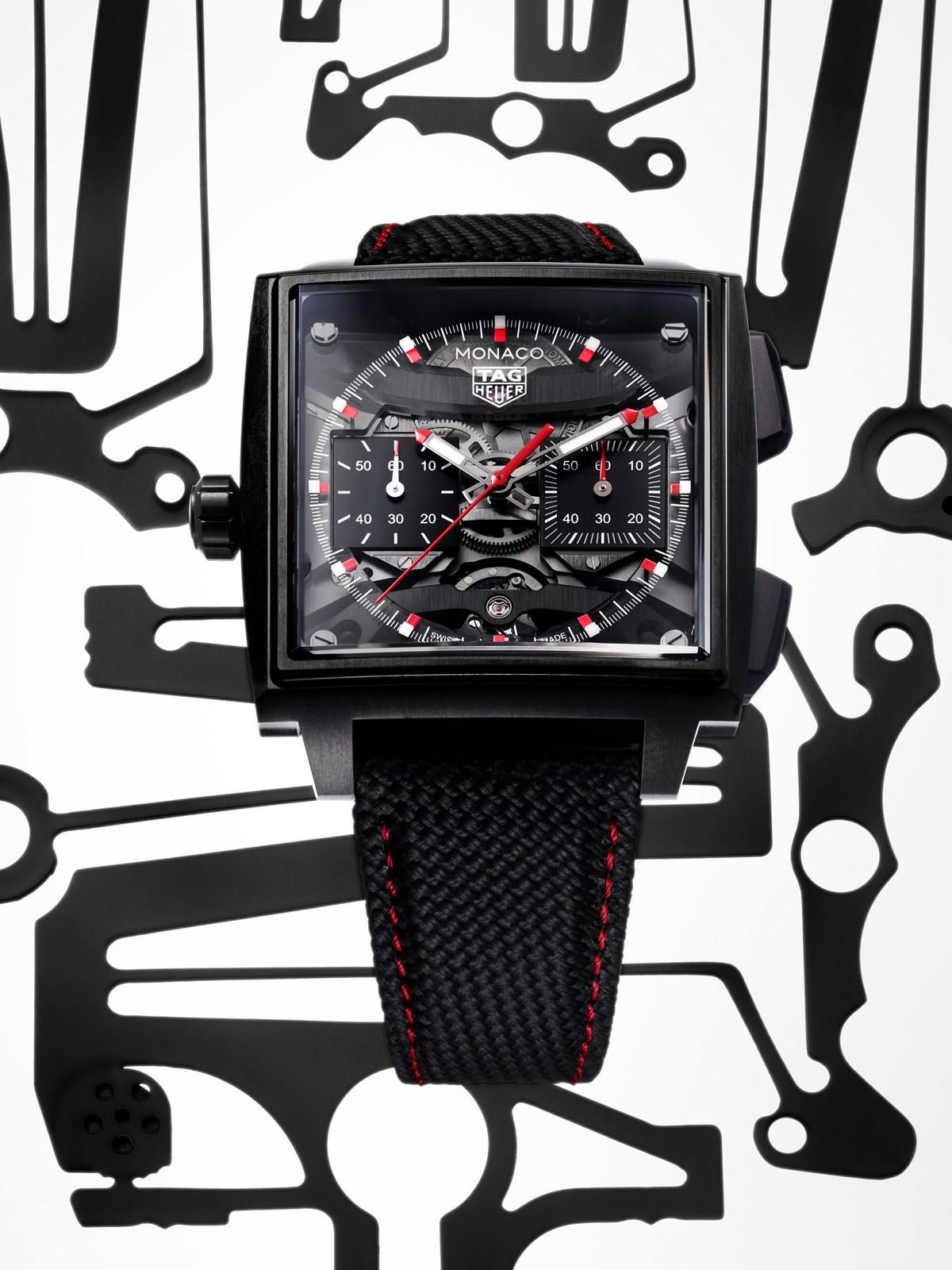
TAG Heuer took the opposite route with the Monaco Evergraph, the product of five years of development with movement specialist Vaucher. Instead of hiding the chronograph, TAG Heuer rebuilt its fundamentals, eliminating components such as levers, cams, clutches and even the column wheel while remaining fully mechanical. Building on the brand's earlier split-seconds work, it is a fundamental rethink of how a chronograph functions at the level of its architecture, asking which parts of the traditional mechanism are truly necessary and which are inherited habit.
The timing matters. The chronograph has spent the last decade as the industry's default complication, fitted to everything from dive watches to dress watches, often with little thought about whether it belonged there. A period of genuine experimentation, one manufacture hiding the complication while another rebuilds it, suggests the category is maturing past ubiquity into intention. The question is no longer whether a watch has a chronograph, but what kind of chronograph it has, and why.
That both watches involve Vaucher, Parmigiani's movement maker, is the quiet detail that ties the story together. When the same manufacture is simultaneously hiding the chronograph and stripping it to its bones, it suggests the complication is entering a period of genuine experimentation rather than cosmetic refresh. For collectors, that is the interesting development: the chronograph, long treated as a solved problem, is a problem again, and the next decade of its evolution may look nothing like the last century.